Luxury Travel Review

Cape Town five star property updates
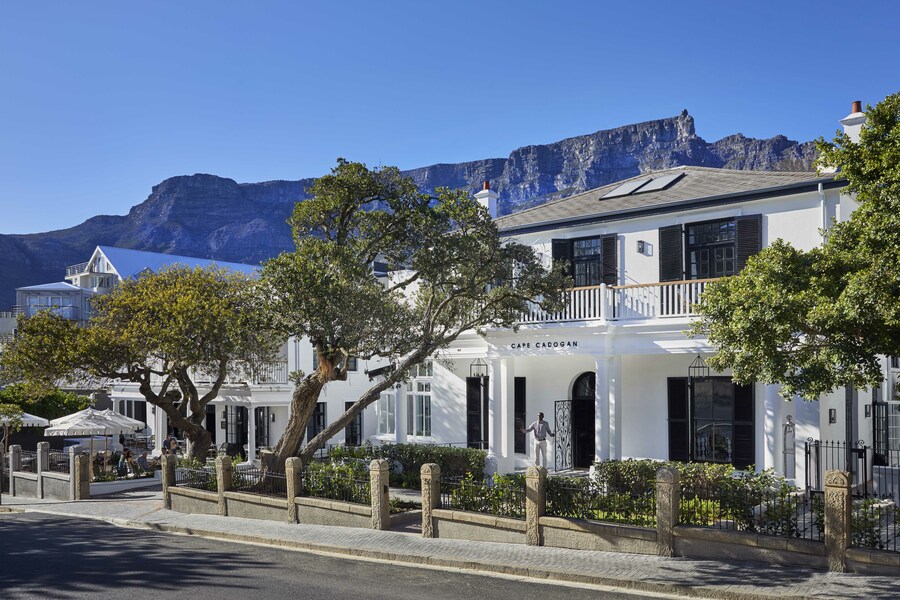
Exterior of the Cape Cadogan
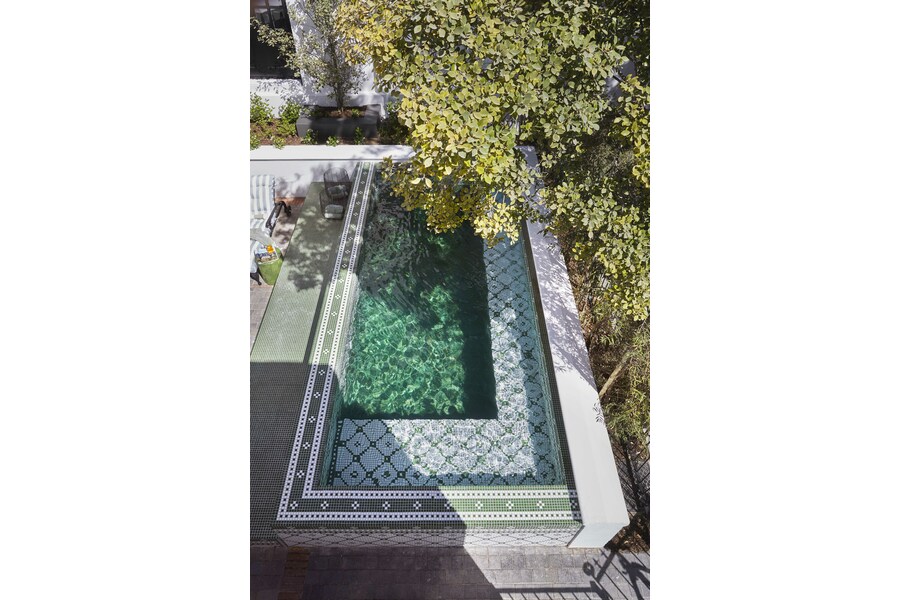
A pool at the Cape Cadogan
Much has changed in Cape Town, South Africa since we profiled the Owner’s Villa, part of the Cape Cadogan Boutique Hotel in 2006, in the Simon and Baker Travel Review, our sister publication. The following year we also featured Ivory Lodge, 1933 (an exclusive use luxury rental house since closed) and Lalamuka Spa at Lion Sands in the Lion Sands Reserve, a luxury safari property across the Sabie River from the famous Kruger National Park. Our contributors had a most favorable opinion of the properties and their owners following their stays. The properties remain in the More Family who owned them at the time the articles were published.*
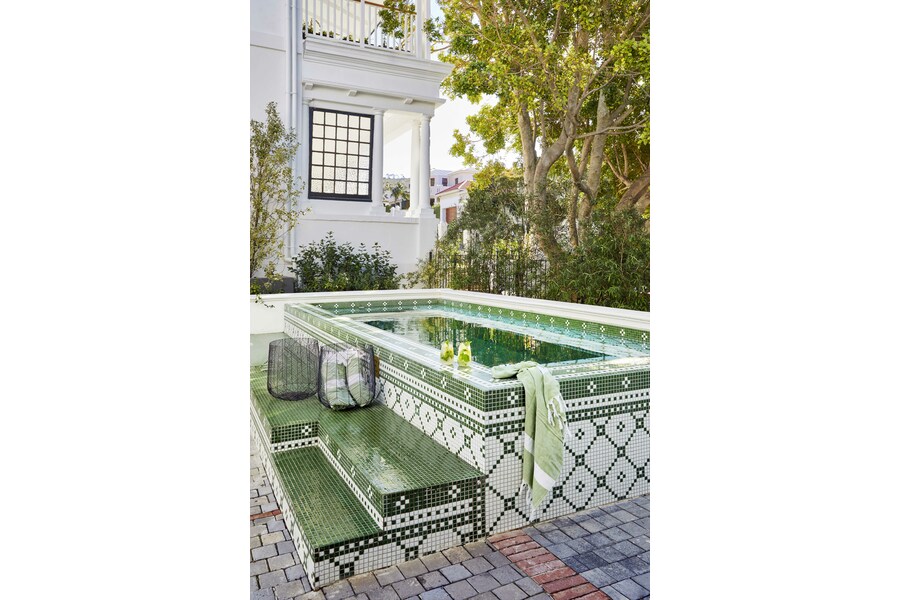
A pool at the Cape Cadogan
We recently heard from Robert More, the five star property’s owner, about changes to the Cape Cadogan. Sisanda Vena, international sales manager, More Family Collection, kindly replied to our questions about the property via email on his behalf.
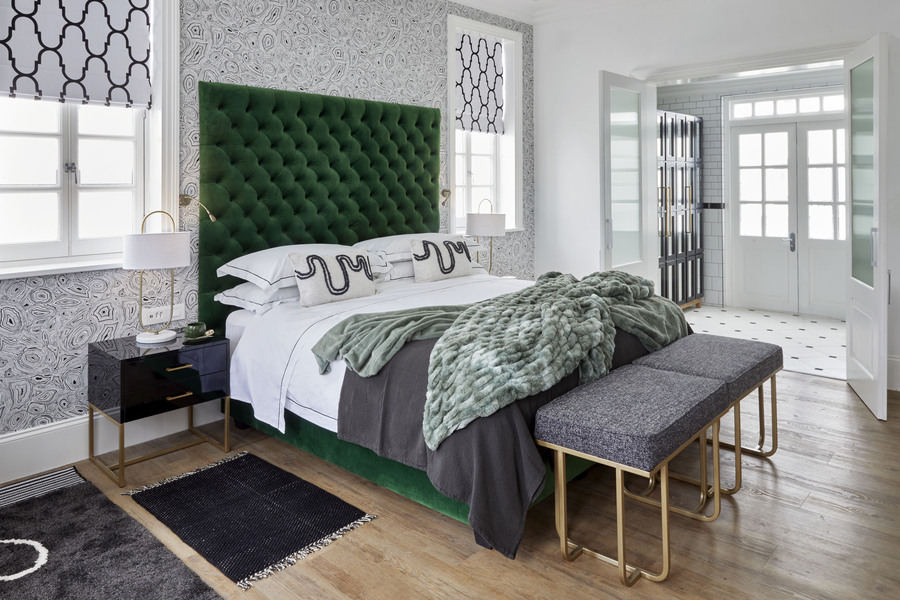
Superior Luxury Room

Sisanda Vena, international sales manager, More Family Collection
The photos featured here were provided by her. Below are replies to our questions:
LTR
What type of traveler is most likely to appreciate a stay at the Cape Cadogan?
SV
Cape Cadogan is likely to appeal to discerning travellers who appreciate a blend of history, luxury, and local culture. This ranges from honeymooners seeking a romantic getaway, a solo traveller needing some cultural exploration, or retired couples ready for a luxury escape. Cape Cadogan is ideal for guests who appreciate style, elegance, and a more intimate atmosphere.
LTR
What is the total number of rooms?
SV
29
Total number of suites (accommodations with more than one room) 1x 3-bedroom residence
Range of room size by square meters
Classic Room: 25 meters squared
Luxury Room: 20 meters squared
Superior Luxury Room: 40 meters squared
1 bedroom Stable Suites: 60 meters squared
2 bedroom Family Stable Suite: 80 meters squared
3-bedroom Residence: 193 meters squared
LTR
Year of most recent renovation, what was renovated?
SV
2022
LTR
Is there high speed Internet connectivity in-room and common areas?
SV
Yes
LTR
Are there any facilities such as a pool, spa, restaurant?
SV
There is spa, pool and gym at the hotel. The Residence has its own pool. There is also a restaurant called Upper Union.
LTR
Number of staff
SV
66
LTR
What amenities are there?
SV
Rate includes breakfast, in room tea and coffee station, macaroons on arrival
Complimentary Shuttle to the V&A Waterfront Twice Daily
Complimentary Afternoon Tea
Complimentary Evening Canapes with Port and Sherry
LTR
Would you share pool sizes?
SV
The pool dimensions are as follows;
Cape Cadogan Pool
Width: 1.8 meters
Length: 2.5 meters
Depth: 1.6 meters
Cape Cadogan Residence Pool
Width: 2.5 meters
Length: 2.5 meters
Depth: 1.6 meters
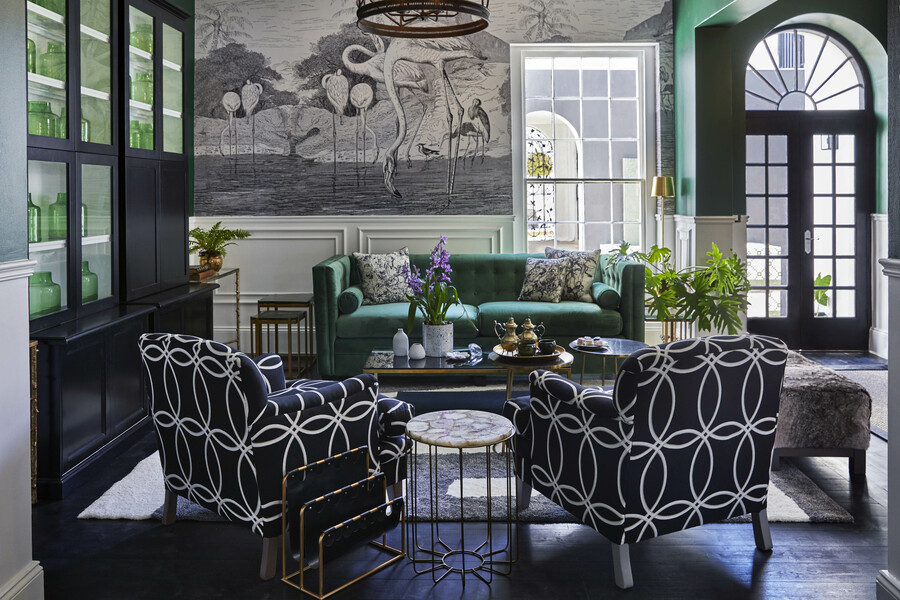
Cape Cadogan Boutique Hotel general area
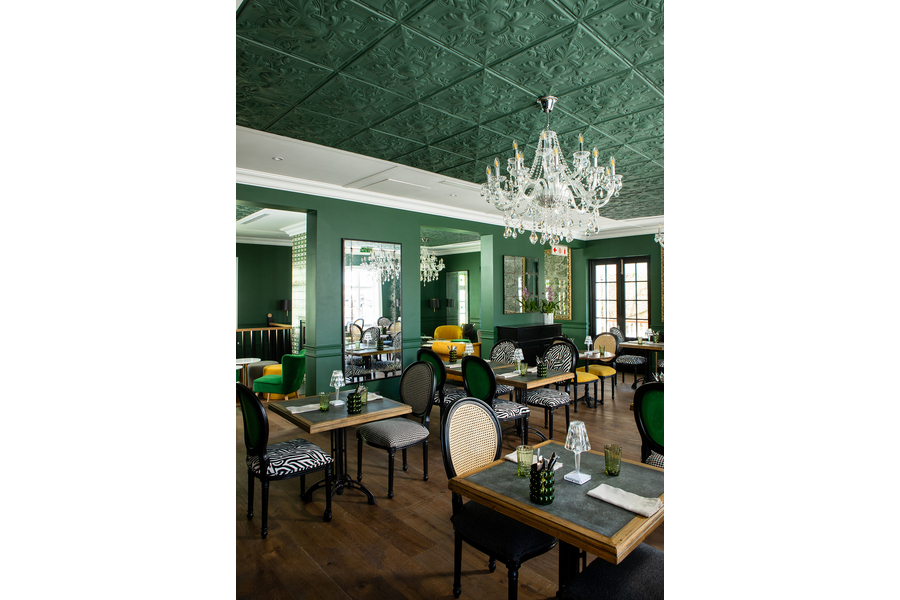
Upper Union upstairs interior
*Prior to the Pandemic our articles were based exclusively on the experiences and photography of our contributors at a destination and voyage. Post the Covid-19 pandemic we almost completely halted travel. For those traveling now we are offering limited updates about destinations, properties and restaurants we featured in the past and whose representatives have responded to our questions and requests for updates. This series of updates began in 2021.
What we liked at Boca Raton Museum Spanish Baroque art exhibition
This article was written without artificial intelligence assisted technologies.
By Elena del Valle
Photos by Gary Cox*
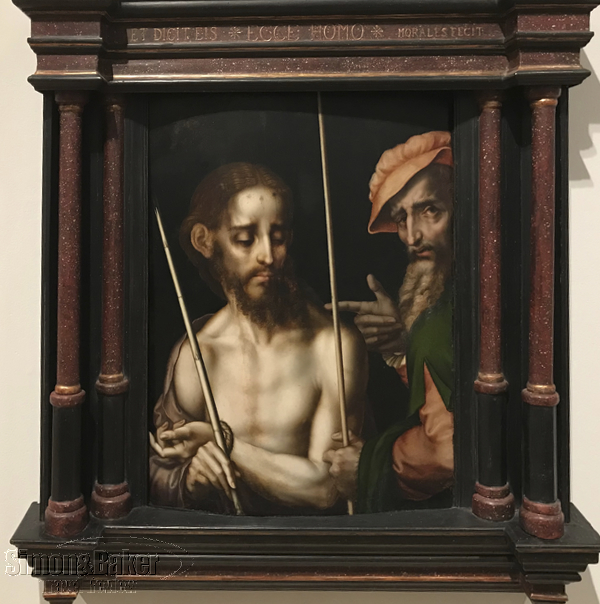
Christ Presented to the People, an oil on panel by Spaniard Luis de Morales, was painted circa 1565.
Splendor and Passion: Baroque Spain and Its Empire, a 57-piece Spanish Baroque exhibition at the Boca Raton Museum of Art (Boca Raton Museum of Art, 501 Plaza Real, Boca Raton, Florida 33432, https://bocamuseum.org/) in Palm Beach County, Florida, was easy to experience in a short block of time. It was an edifying and entertaining way to pass the time away from the usual tourist attractions and crowded beaches.
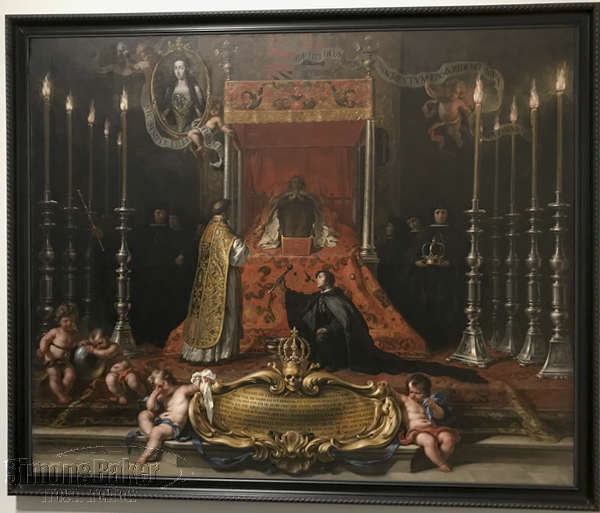
One of the larger artworks (oil on canvas) depicted Maria Luisa of Orléans, Queen of Spain. It was painted in 1689 by Sebastián Muñoz of Spain.
The museum interior was spacious and light-filled and at the same time intimate. Parking was plentiful and required a small effort to find. There was signage in English and Spanish next to every painting with the painter and his biography (to the best of my recollection all painters were men) as well as the title of the artwork and medium.
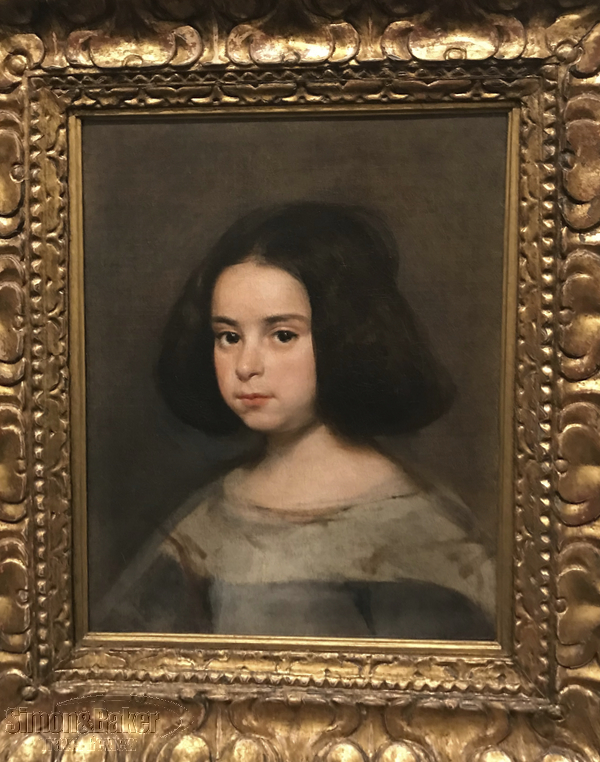
This oil on canvas titled Portrait of a Little Girl caught my eye as soon as I entered the room. It was painted by Spaniard Diego Velázquez circa 1638.
Although there was a steady stream of visitors on our weekday visit and we moved several times in order to have an unobstructed view, on the whole our experience was free of wait, crowd and line. We found complimentary parking about a block away in a shady parking garage (although it was unsettling to find out after our visit that there had recently been a fire in one of the garages). There was also metered parking close to the museum entrance.
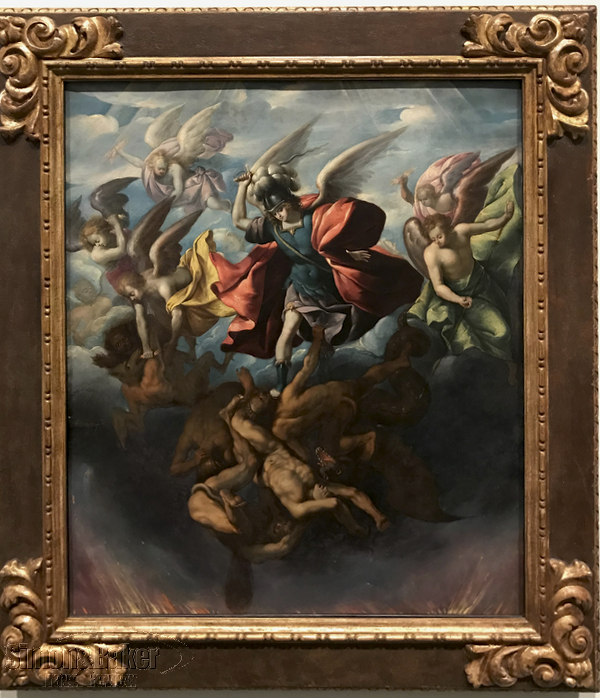
I liked the attention to detail of this Saint Michael Striking Down the Rebellious Angels, an oil on copper painting by Sebastián López de Arteaga, a Spaniard active in Mexico, circa 1650.
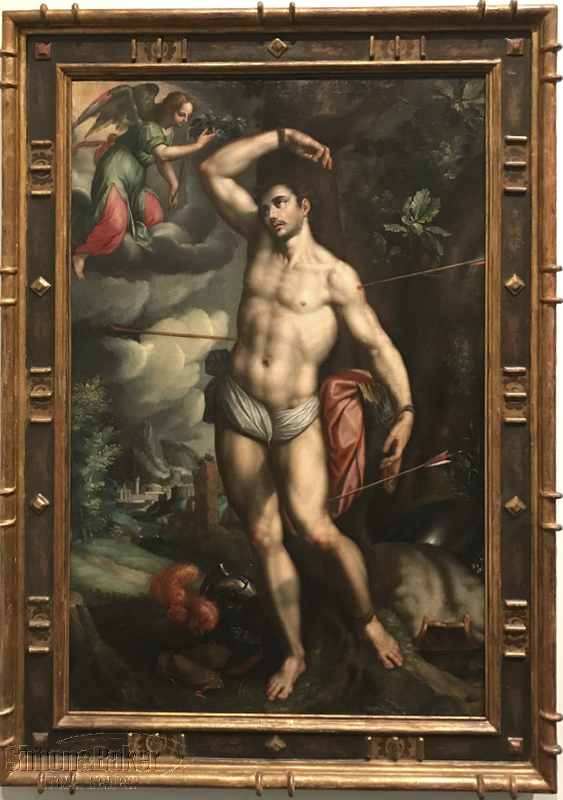
At Saint Sebastian by Alonso Vázquez, a Spanish painter, the viewer’s attention is drawn to the martyr’s body.
It was touted as the world premiere of Spain’s Golden Age exhibit, part of the Renaissance and Baroque collection of The Hispanic Society Museum & Library (Broadway between 155th and 156th Streets New York, New York 10032, https://hispanicsociety.org/), in promotional materials. According to Spainculture.us the exhibition is due to be displayed at two additional venues. Among the 16th and 17th century art were works by the El Greco (Doménikos Theotokópoulos), Bartolomé Esteban Murillo, and Diego Velázquez.
*Flash photography was forbidden.
What we liked about Swedish designed raincoat
By Elena del Valle
Photos by Gary Cox
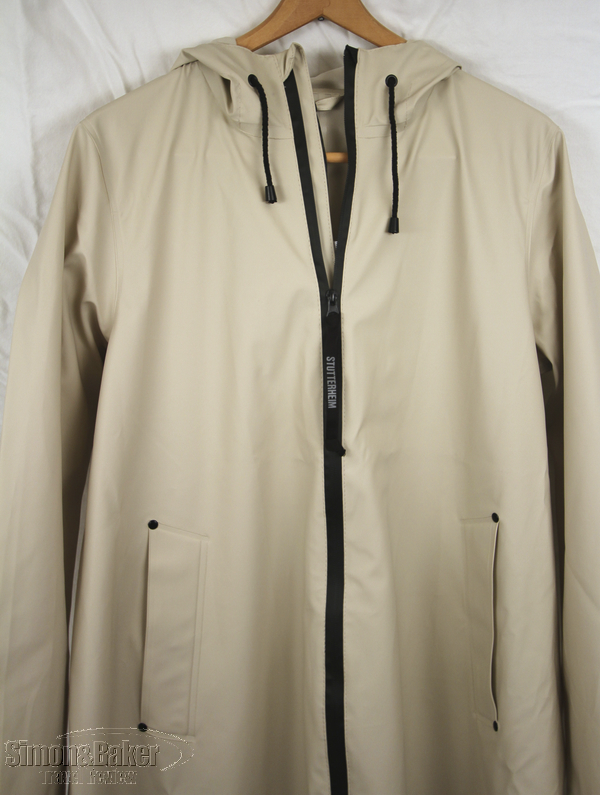
The Stutterheim Mosebacke Long Lightweight Zip Raincoat in Oyster
Over the last few months I have been praying for rain so I could try the Stutterheim Mosebacke Long Lightweight Zip Raincoat in Oyster. My first impression was positive. The raincoat (and a pair of rain boots) arrived from Europe in a compact, efficient package. I liked the neutral color and design. The a-line shaped raincoat for women is knee length and has a hood. I specifically requested a lightweight model in a light shade (Oyster) to wear during long walks and rainy day errand running in South Florida’s (United States) subtropical climate. The Stutterheim website description of double-welded seams and an aqua guard zipper promised to keep moisture from getting past the raincoat’s protection. That extra promise to keep me dry was particularly appealing on cool and rainy days. While on warm days an umbrella or an umbrella and water repellent rain jacket usually work well enough when the temperatures drop my priority is staying dry to avoid getting chilled.
According to the website the raincoat includes under-arm eyelets, complete waterproof protection (I assume that is what the +20 000 millimeter water column pressure refers to in the product description) and a drawstring hood. The retail price was $385. As of this writing it’s on sale for $193.
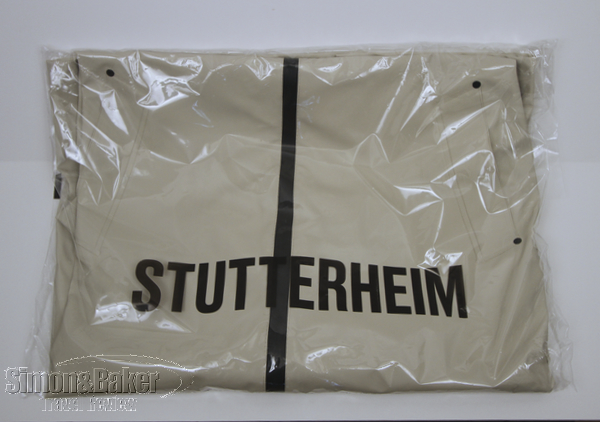
I liked small touches like the branded bold letters on the raincoat’s see-through bag.
I liked small touches like the branded bold letters and stickers on the raincoat’s see-through bag. I also liked its clean lines and roomy fit. As per the suggestions on the company website I selected a size I thought would allow me to comfortably wear a sweater or a layer underneath the raincoat. Its pleasant and mild rubber scent was the first thing I noticed once I tried it on. I wondered if it would linger once it got wet. Although I have worn it several times in the rain it looks and smells like new. It has not needed to be cleaned. I hung it to dry and kept it on a hanger until the next time.
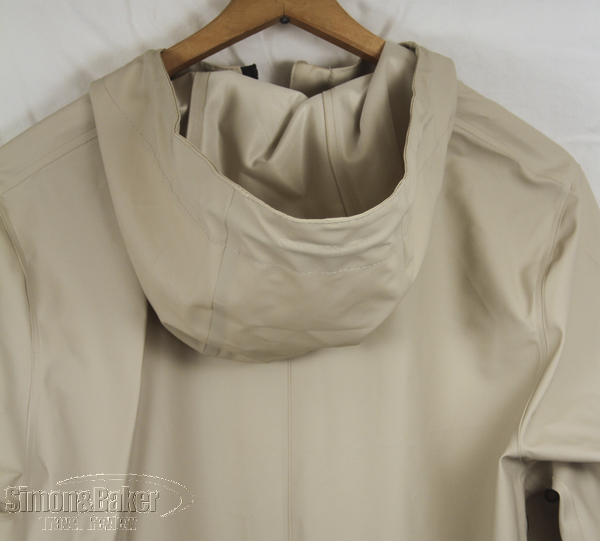
It seemed we had low precipitation during our rainy season. It would rain, but not enough to justify wearing the raincoat or the rainfall would be at an inconvenient time of the day. Finally we had some proper rain showers worthy of the garment. After several two-hour long walks wearing the raincoat I returned mostly dry. Some drops would fall on my shoes and if I moved my arms some of the drops would wet my sleeves. For the most part the raincoat kept me dry. The single challenge was that in summer I sometimes was too warm, mostly I was fine and thankful for the protection.
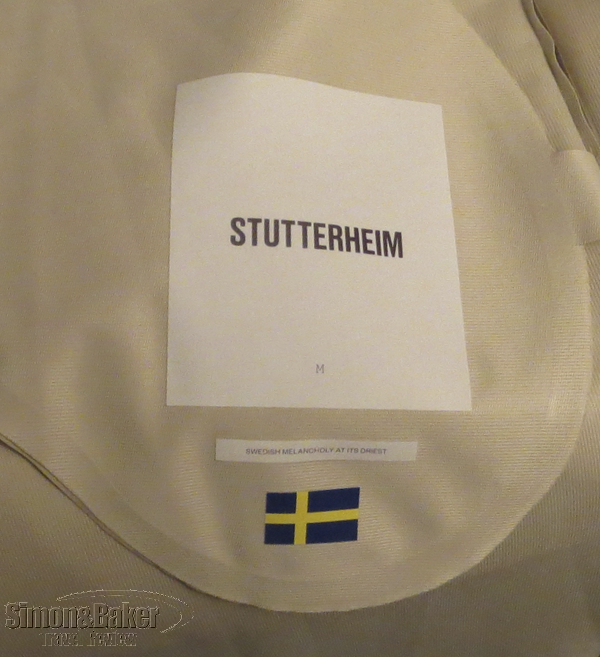
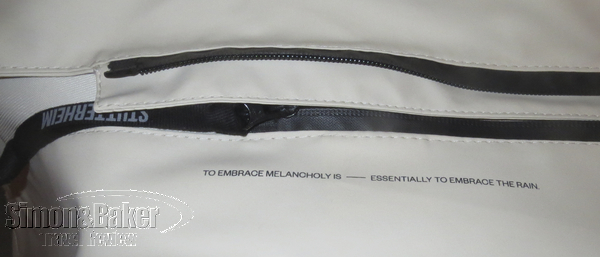
The raincoat was designed in Sweden and made in Europe, according to the company website.
The company website described the Coating as 100 percent PVC rubberized coating and the Membrane as 100 percent polyester. The raincoat was described as designed in Sweden and made in Europe. Although the company shared sample products we received no reply to questions sent to their public relations representative by email multiple times. Their website described the Mosebacke Long Lightweight Zip as “artisanally made” as well as “perfect in unpredictable weather and for travelling.”
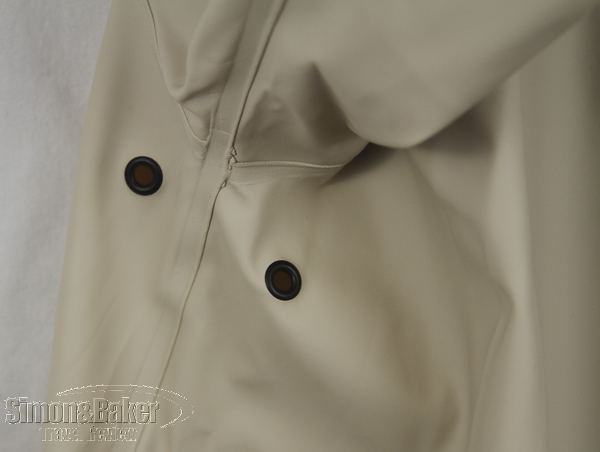
Although I have worn it several times in the rain it looks and smells like new.
I would wear it again. I would travel with it. I would consider buying it as a gift.
Update – new owner at Botswana safari property
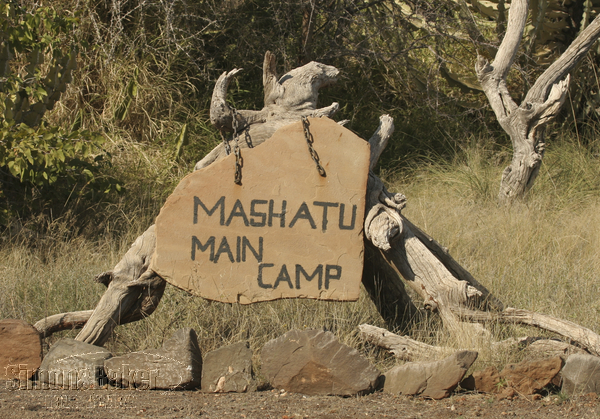
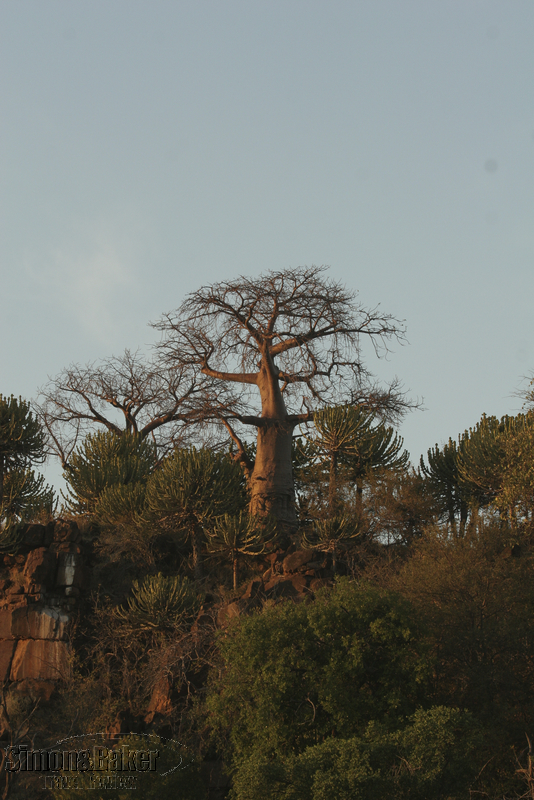
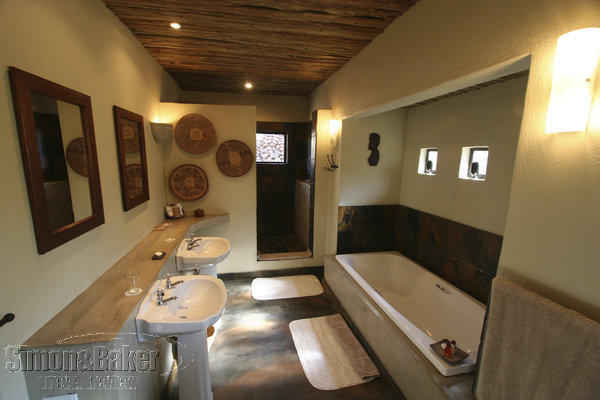
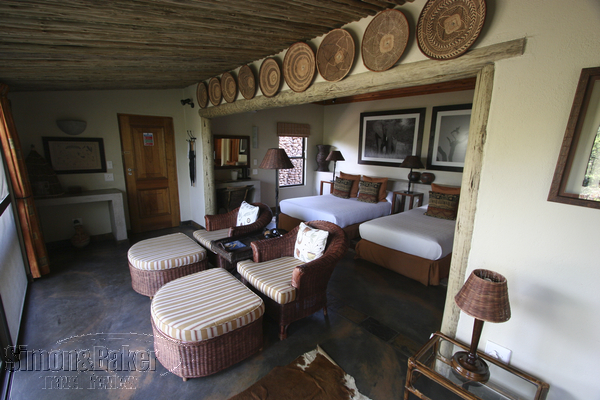
It’s been a while since we profiled Mashatu Main Camp at Mashatu Game Reserve, a safari property in a private reserve in Botswana’s Tuli Block, in 2008. At the time it was owned by the same family that owned the well known Mala Mala Reserve in the popular Sabi Sand Reserve adjacent to South Africa’s famous Kruger National Park, which we have profiled several times over the years. In June 2023 we reached out to Mashatu via email requesting updates.* Recently, Tracy Pretorius, a Mashatu sales representative, replied to our questions via email. The most notable update is that there is a new owner at Mashatu. The watermarked photos in this update were taken by our contributors when they stayed at the property in 2008. The other photos were provided by property representatives this year.

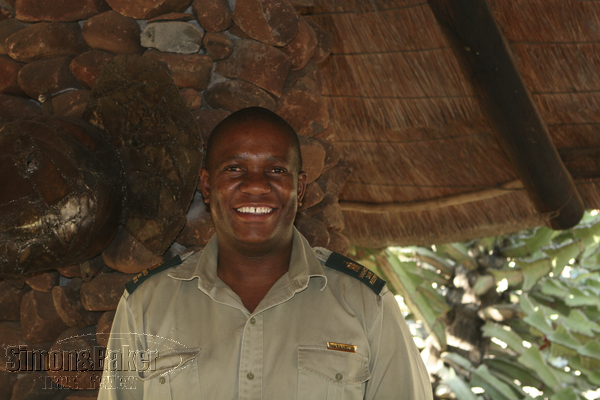
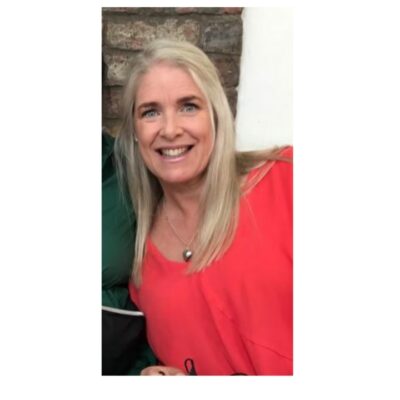
Tracy Pretorius, a Mashatu sales representative
LTR: A number of travel businesses across the globe shut down or reduced their offerings during and post pandemic. What can you share regarding your lodge?
TP: We were closed for 13 months, but managed to keep all staff employed during the pandemic. We are now back up and running and have 6 properties at Mashatu for guests to enjoy.
LTR: What, if any, pandemic policies and safeguards remain in place?
TP: No pandemic policies remain in place
LTR: Are Mashatu guests required to show proof of vaccination, negative Covid-19 tests, wear a mask or take any other measures?
TP: No
LTR: How often do you clean guestrooms?
TP: 3 times a day
LTR: Has there been a change in ownership since we profiled your lodge?
TP: Yes
LTR: What is the name of the new owner(s)?
TP: Stephen Lansdown
LTR: Are there any condition(s) affecting your facilities, amenities, and their safe and comfortable enjoyment? This could be anything like flooding, drought, water restrictions, strikes, staff shortages, etc.
TP: None
LTR: What recommendations would you share with overseas travelers given the frequent power outages in South Africa?
TP: We are in Botswana and have no power outages other than those cause by occasional weather – we then use back-up generators.
LTR: Since our contributors were there are there any updates to Mashatu Main Camp you care to share?
TP: We now refer to Mashatu Main Camp as Mashatu Lodge – we have re-thatched all the public areas, replaced all the roofing on the units, installed a museum as well as Serekolo Wellness Spa
Our current contact details are:
Address: Mashatu Game Reserve, Northern Tuli Game Reserve, Tuli Block, Botswana
Reservations: PostNet Suite 035, Private Bag X7005, Hillcrest, Durban, 3650, South Africa
Phone: +27 31 761 3440
Website: http://www.mashatu.com/
Email: reservations@mashatu.com
LTR: What routing options do you recommend for overseas travelers to reach your property? Is Johannesburg, South Africa the best connection?
TP: Yes – via Johannesburg is the easiest – we have daily flights from Lanseria to Limpopo Valley Airfield (airport at Mashatu)
LTR: If you offer exclusive use accommodations such as a multi-bedroom house feel free to share details including size in square meters and amenities.
TP We have two exclusive use safari homes – 3* Shalimpo (self-catering) and 5* Kolokolo (fully inclusive) – both have 4 en-suite bedrooms and swimming pools.
LTR: Would you share details about Kolokolo? For example, does it include its own staff, a dedicated safari vehicle?
TP: Herewith please find the information I managed to get from camp for you regarding Kolokolo:
Main House – 390 square meters
Managers House – 56 square meters
Camp Grounds – 6784 square meters
Yes – Kolokolo comes with it’s own chef and housekeeping team as well as a dedicated safari vehicle with guide and tracker.
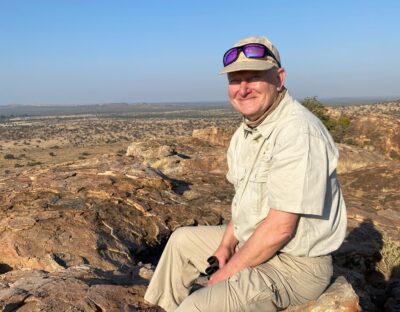
Stephen Lansdown, owner, Mashatu Game Reserve
In response to a request for a biography of the new owner a Mashatu representative shared his photo and the following by email: “Mashatu Game Reserve, under the leadership of its devoted owner, Stephen Lansdown, proudly stands as Botswana’s second-largest employer. Guided by a visionary commitment, Stephen envisions safeguarding the Reserve for the prosperity of local communities and the preservation of its wildlife, ensuring a legacy that will endure for generations. He strives to achieve this noble purpose by establishing and maintaining a world-class tourism destination of unparalleled quality.”
According to a May 3-9, 2020 article in Botwana’s Sunday Standard at that time Pula Property Holdings, a Guernsey based company controlled by Lansdown, owned a 50 percent stake in Mashatu Investment, which operated the Mashatu Game Reserve. Per the article Mashatu Investment in turn controlled 70 percent of Mashatu Nature Reserve (Pty) Ltd. The remaining 30 percent was held by Botswana Development Corporation, the article states. The Sunday Standard indicated that Lansdown first became involved in Botswana in 2007 as a shareholder of Tuli Safari Lodge.
*Under normal circumstances our articles are based exclusively on the experiences and photography of our contributors at a destination and voyage. Due to the Covid-19 pandemic we halted travel. For those ready to travel now we are offering limited updates about destinations, properties and restaurants we featured in the past and whose representatives have responded to our questions and requests for updates. This series of updates began in 2021.
Update – Paris fine dining restaurant
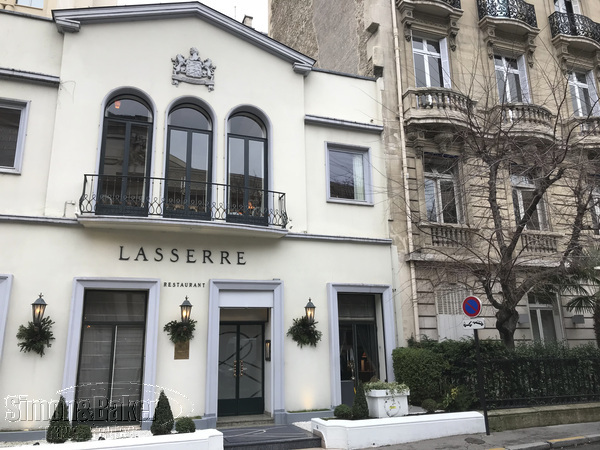
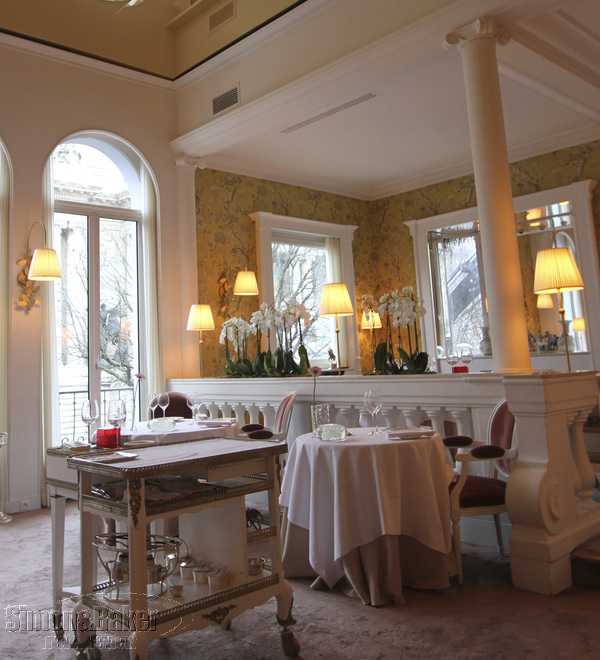
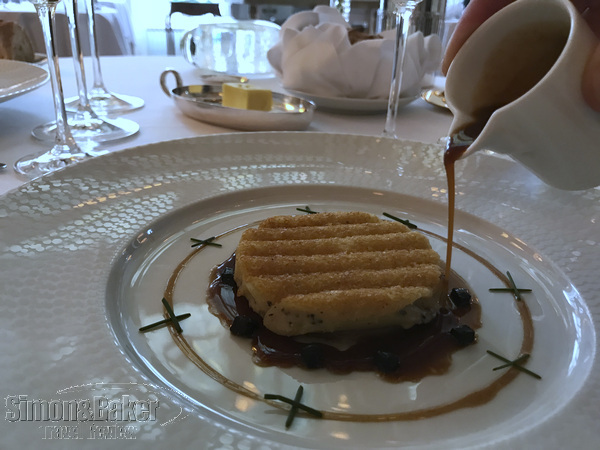
In 2019 we profiled Restaurant Lasserre in Paris, France. Situated in the well known avenue Franklin Roosevelt the restaurant offered a classic French fine dining experience in one of the city’s most upscale neighborhoods. Our contributors liked its “excellent service, beautiful interior with an inspired view and aspirational Tasting Menu.”
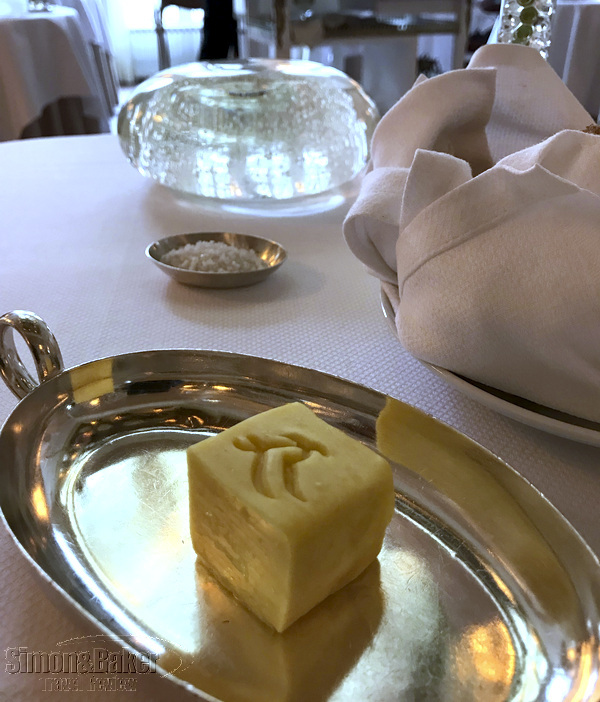
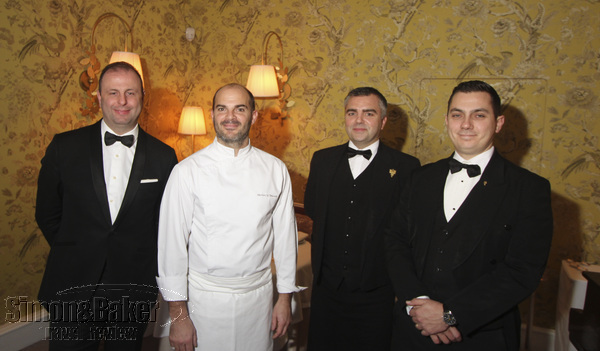
Earlier this year we reached out to the restaurant to request an update.* Below are the questions we submitted and the answers provided by Sophia Bouhouia, Board’s Assistant of the restaurant. She declined to provide her photo. Watermarked photos were taken by our team during their 2019 lunch.
LTR: Is Lasserre open for lunch and dinner?
SB: Lasserre is only open for dinner from Tuesday through Saturday
LTR: A number of travel businesses across the globe shut down or reduced their offerings post pandemic. What can you share regarding your restaurant in 2023?
SB: Lasserre did shut down during the pandemic and reopened in June 2021.
Since then, business has been running great. We have been experimenting a very high post pandemic demand from both local and foreign clients.
LTR: What, if any, pandemic policies and safeguards remain in place?
SB: After the pandemic habits have changed. Our set up has changed, hhere (there) is now more space between our guests.
We also make sure to respects everyone’s safety concerns.
LTR: Are guests at the restaurant required to show proof of vaccination, negative Covid-19 tests, wear a mask or take any other measures?
SB: There is no more covid related applicable measures in French restaurants.
LTR: Are there any condition(s) affecting your facilities, amenities, and safe and comfortable enjoyment of the restaurant? This could be anything like flooding, drought, water restrictions, strikes, staff shortages, etc.
SB: There was no changes on those regards before and after the pandemic.
LTR: What is the best contact information?
SB: Email: restaurant@restaurant-lasserre.com
Phone: 0143590213
*Under normal circumstances our articles are based exclusively on the experiences and photography of our contributors at a destination and voyage. Due to the Covid-19 pandemic we halted travel. For those ready to travel now we are offering limited updates about destinations, properties and restaurants we featured in the past and whose representatives have responded to our questions and requests for updates. This series of updates began in 2021.
Update: Paris fine dining hotel restaurant
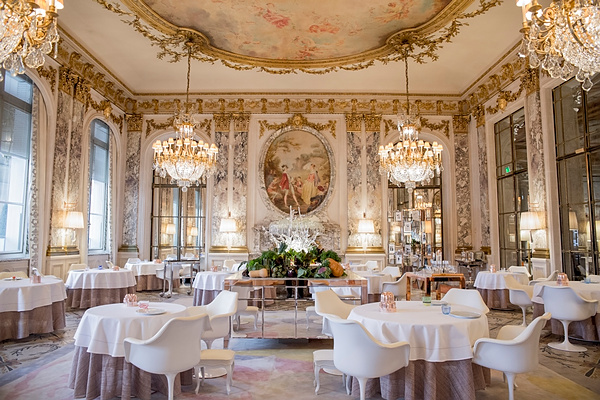
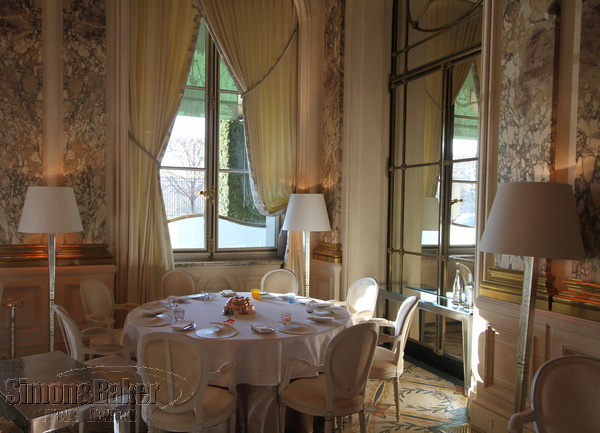
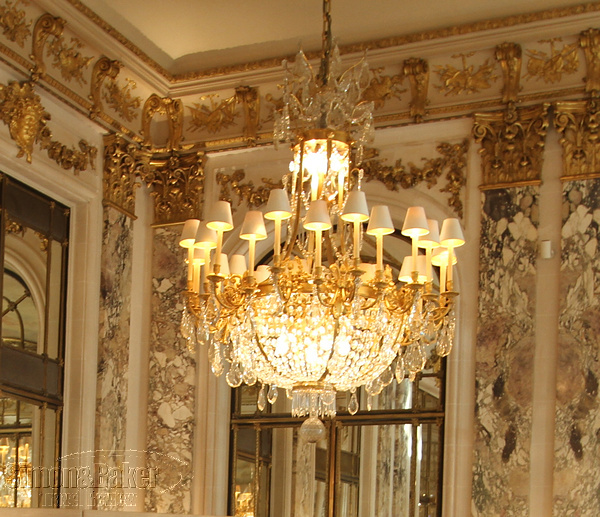
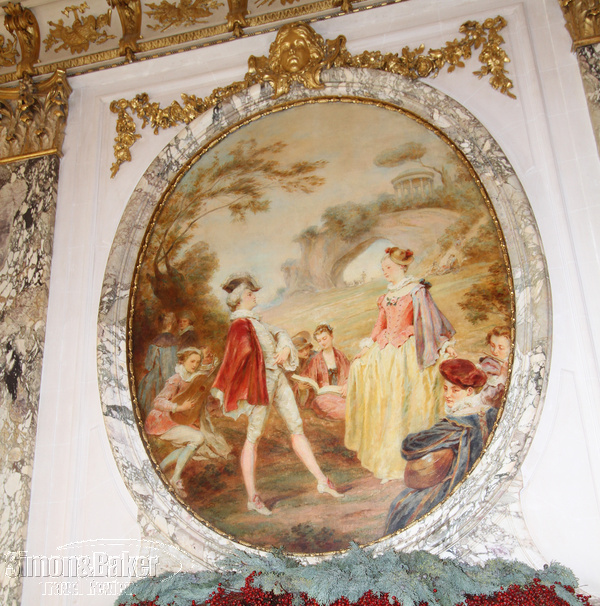
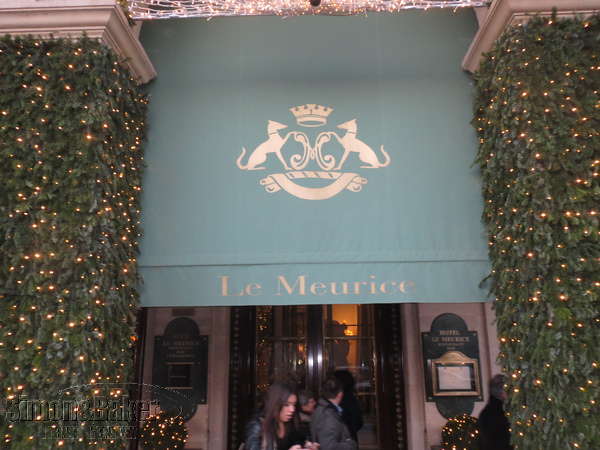
In a 2016* profile of the Restaurant le Meurice Alain Ducasse at the Hotel Le Meurice in Paris, France our team described their lunch as follows, “Our multi-course meal was well prepared, artfully presented and served with care and attention to detail. The memorable dining room, elegant setting and amenities and attentive and friendly service enhanced our experience.”
Earlier this year we contacted media relations for Alain Ducasse in search of post pandemic updates. A representative of the well known chef’s communications team referred us to the rue de Rivoli hotel for updates. Solene Duchez, communications and press relations assistant, Le Meurice, responded to our questions via email. It is Restaurant le Meurice Alain Ducasse, she explained via email. Below are our questions and her answers (edited for brevity and clarity).
LTR: Are you welcoming international travelers?
SD: Yes
LTR: A number of travel business across the globe shut down or reduced their offerings post pandemic. What can you share regarding your company and Restaurant le Meurice Alain Ducasse, Paris in 2023?
SD: There is no longer any impact of the pandemic on hotel and restaurant occupancy.
LTR: What, if any, policies and safeguards do you have in response to Covid-19?
SD: As the previous question, there is no longer any impact of the pandemic on hotel and restaurant occupancy.
LTR: Are guests dining at the restaurant required to show proof of vaccination, negative Covid-19 tests, wear a mask or take any other measures?
SD: No
LTR: Are there any condition(s) affecting facilities, guests amenities, and safe and comfortable enjoyment of a meal at the restaurant?
SD: Can you precise the question?
LTR: Any updates to your menu, restaurant and services you care to share.
SD: there is a lot of update to make on the website (she refers to the restaurant profile).
Chef Jocelyn Herland has left and has been replaced by Chef Amaury Bouhours.
Executive Chef: Amaury Bouhours under the supervision of Alain Ducasse since 2020.
Handicapped access: Yes
Head Sommelier: Gabriel Veissaire
Restaurant Manager: Olivier Bikao – During his four years of studies at Ferrandi, Olivier Bikao, born in Colombes (Hauts-de-Seine), built up a great deal of experience. Starting with an apprenticeship at Les Vendanges restaurant in the 14th arrondissement of Paris. Followed by a second apprenticeship sequence with Alain Ducasse, firstly at Marcel then at the Publicis Drugstore and lastly, for two years, at the restaurant Alain Ducasse at the Plaza Athénée, the top-of-the-line address where, with Denis Courtiade, he learnt all about the demands of a three-star restaurant. In 2010, he pursued his career alongside Frédéric Vardon for the opening of the 39V as Chef de Rang, before serving as Manager from 2015 to 2020. In October 2020, he moved on to Le Meurice – Alain Ducasse as Manager. Olivier is the Ambassador for the “Ô service des talents de demain” association which focusses on transmitting knowledge and promoting the front-of-house professions. He is a member of the extended board of the “Trophée du maître d’hôtel” and administrator of the “Croq’l’espoir” association which supports children with health issues, through gastronomy-related initiatives.
Executive chef: After his studies at the Soissons Hospitality School, Amaury secured an internship at the Louis XV – Alain Ducasse, in Monaco, in 2008. For the young 18-year-old, the experience was crucial: “I had always wanted to work in haute cuisine restaurants. But there, all of a sudden, I was leaping from dream to reality and that was when everything really clicked into place”. It was also the beginning of his discovery of the Ducassian cuisine, of precision and exceptional produce. Alain Ducasse quickly recognised this promising young beginner’s potential. So here was Amaury setting off in 2009 as commis in the Restaurant Alain Ducasse at the Plaza Athénée, in Paris. He stayed there for six years, successively under the direction of Christophe Moret, Christophe Saintagne then Romain Meder.
New establishment, new and significant encounters: “the rhythm was really intense, but that enabled me to save an untold amount of time. I really learnt about every aspect of cooking, from respect for the produce through to the ideal cooking method and the ideal seasoning.” He quickly rose to the position of Head Chef de Partie then Junior Sous-Chef. He then joined Adrien Trouilloud as Sous-Chef at Lasserre: “I learnt a great deal with Adrien too, notably regarding sauces and rotisserie, areas in which he excels”. In 2016, Amaury joined Le Meurice – Alain Ducasse as Jocelyn Herland’s assistant Chef de Cuisine. When the latter left in June 2020, it was quite natural that Alain Ducasse should entrust the reins of the establishment to Amaury: “If I chose Amaury, it was because he has the potential to embody a new stage in the life of the restaurant at Le Meurice.”
The restaurant offered two menu options for dinner: The collection menu for €360 per person excluding drinks and the Discovery menu for €300 per person excluding drinks. In these menus, the guest is free to choose his dishes, guided by the restaurant manager.
Since 2022, the Restaurant le Meurice Alain Ducasse has received the Ecotable label, a sustainable label. It is the first palace restaurant to have this label. For more information: ecotable.fr/en/ecotables/le-meurice-alain-ducasse-rivoli-etoile-paris-hotel-gastronomique
*Under normal circumstances our articles are based exclusively on the experiences and photography of our contributors at a destination and voyage. Due to the Covid-19 pandemic we have halted travel. For those ready to travel now we are offering limited updates about destinations, properties and restaurants we featured in the past and whose representatives have responded to our questions and requests for updates. This series of updates began in 2021.