by Editor | Jun 27, 2023 | Restaurants
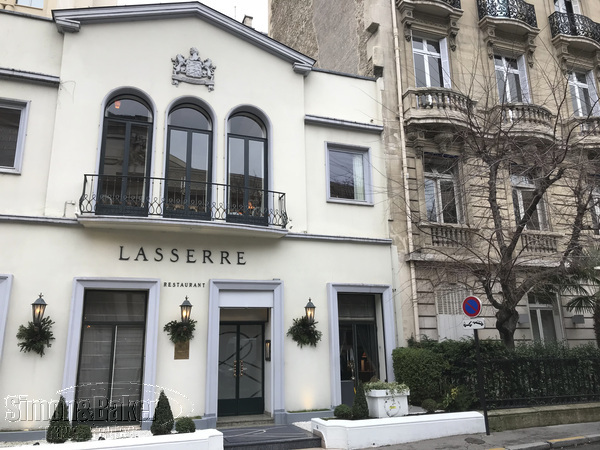
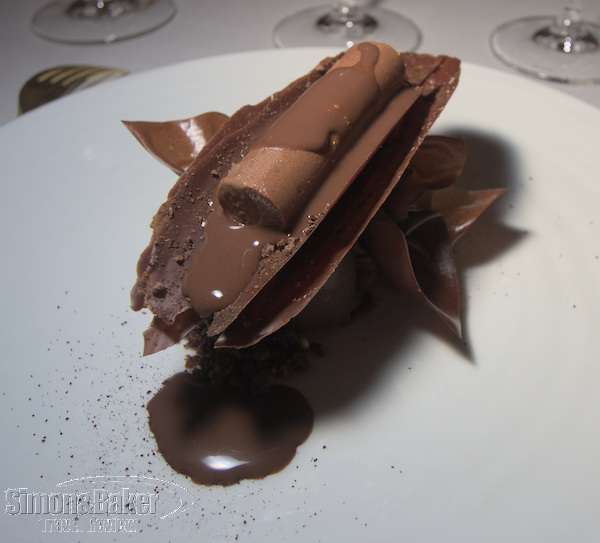
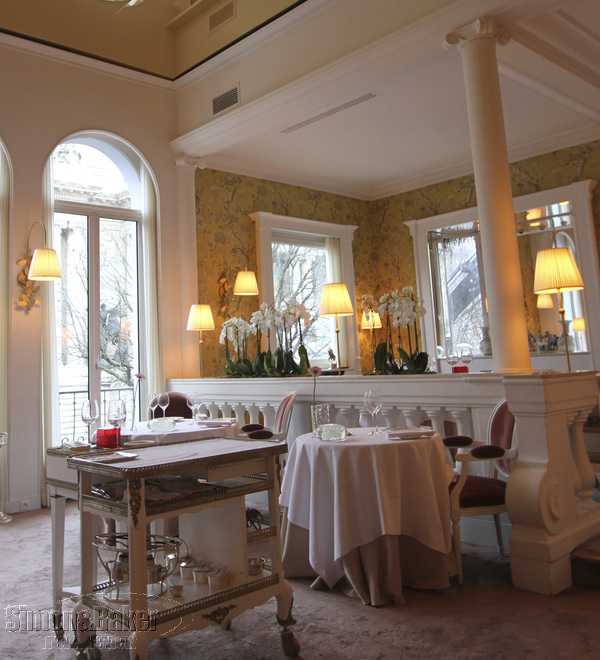
In 2019 we profiled Restaurant Lasserre in Paris, France. Situated in the well known avenue Franklin Roosevelt the restaurant offered a classic French fine dining experience in one of the city’s most upscale neighborhoods. Our contributors liked its “excellent service, beautiful interior with an inspired view and aspirational Tasting Menu.”
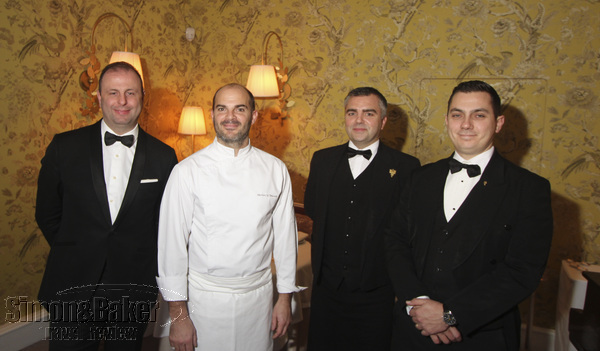
Earlier this year we reached out to the restaurant to request an update.* Below are the questions we submitted and the answers provided by Sophia Bouhouia, Board’s Assistant of the restaurant. She declined to provide her photo. Watermarked photos were taken by our team during their 2019 lunch.
LTR: Is Lasserre open for lunch and dinner?
SB: Lasserre is only open for dinner from Tuesday through Saturday
LTR: A number of travel businesses across the globe shut down or reduced their offerings post pandemic. What can you share regarding your restaurant in 2023?
SB: Lasserre did shut down during the pandemic and reopened in June 2021.
Since then, business has been running great. We have been experimenting a very high post pandemic demand from both local and foreign clients.
LTR: What, if any, pandemic policies and safeguards remain in place?
SB: After the pandemic habits have changed. Our set up has changed, hhere (there) is now more space between our guests.
We also make sure to respects everyone’s safety concerns.
LTR: Are guests at the restaurant required to show proof of vaccination, negative Covid-19 tests, wear a mask or take any other measures?
SB: There is no more covid related applicable measures in French restaurants.
LTR: Are there any condition(s) affecting your facilities, amenities, and safe and comfortable enjoyment of the restaurant? This could be anything like flooding, drought, water restrictions, strikes, staff shortages, etc.
SB: There was no changes on those regards before and after the pandemic.
LTR: What is the best contact information?
SB: Email: restaurant@restaurant-lasserre.com
Phone: 0143590213
*Under normal circumstances our articles are based exclusively on the experiences and photography of our contributors at a destination and voyage. Due to the Covid-19 pandemic we halted travel. For those ready to travel now we are offering limited updates about destinations, properties and restaurants we featured in the past and whose representatives have responded to our questions and requests for updates. This series of updates began in 2021.
by Editor | May 23, 2023 | Restaurants
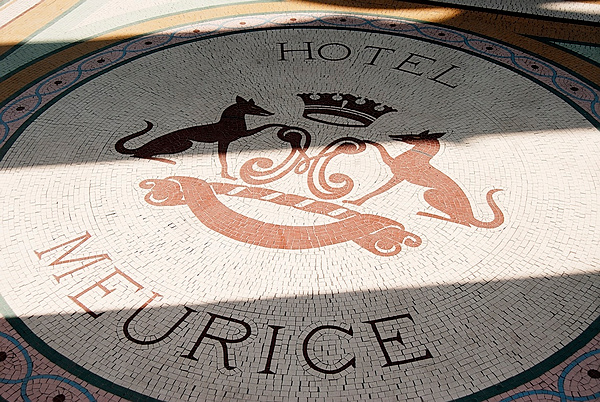
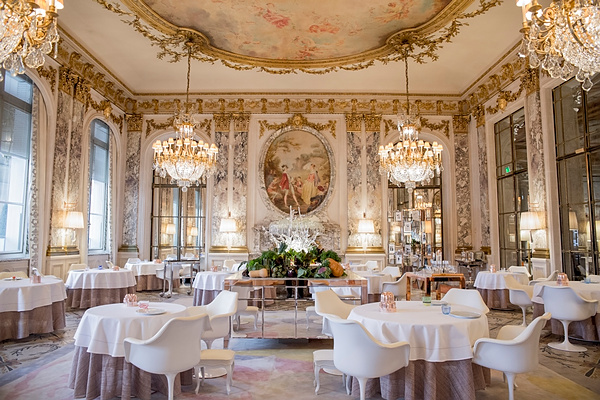
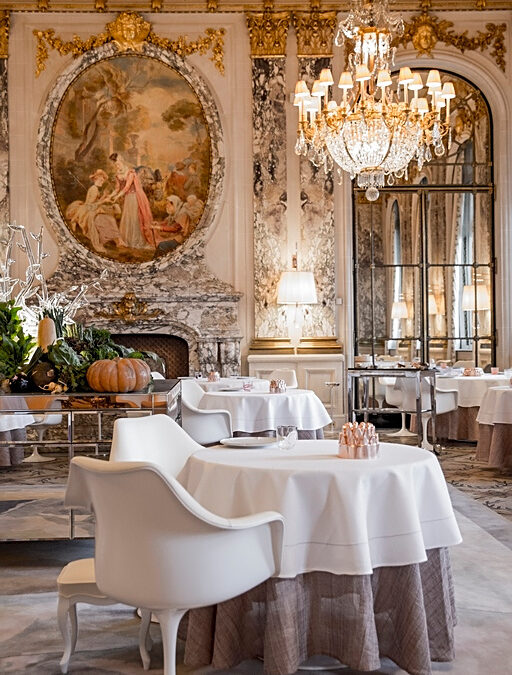
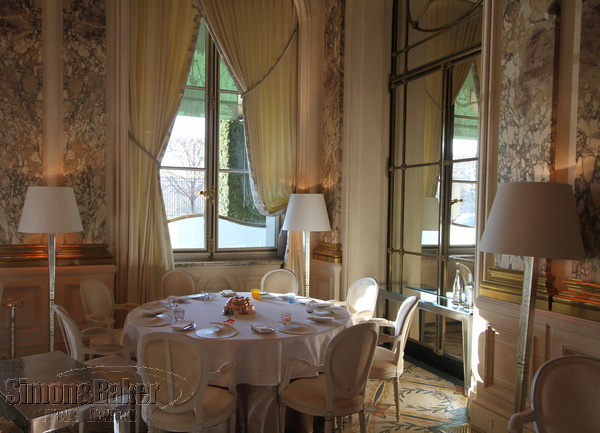
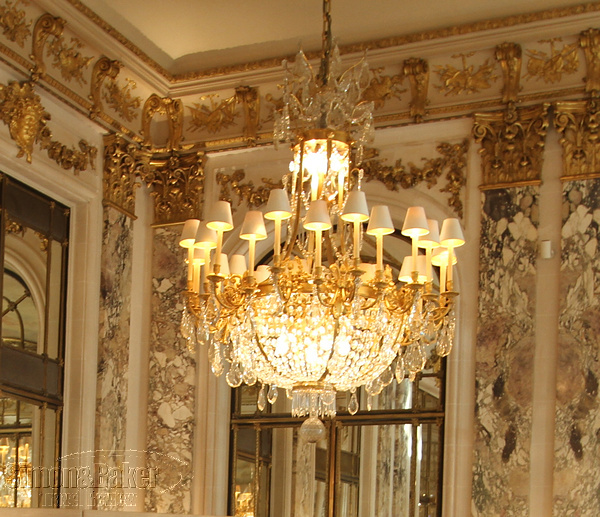
In a 2016* profile of the Restaurant le Meurice Alain Ducasse at the Hotel Le Meurice in Paris, France our team described their lunch as follows, “Our multi-course meal was well prepared, artfully presented and served with care and attention to detail. The memorable dining room, elegant setting and amenities and attentive and friendly service enhanced our experience.”
Earlier this year we contacted media relations for Alain Ducasse in search of post pandemic updates. A representative of the well known chef’s communications team referred us to the rue de Rivoli hotel for updates. Solene Duchez, communications and press relations assistant, Le Meurice, responded to our questions via email. It is Restaurant le Meurice Alain Ducasse, she explained via email. Below are our questions and her answers (edited for brevity and clarity).
LTR: Are you welcoming international travelers?
SD: Yes
LTR: A number of travel business across the globe shut down or reduced their offerings post pandemic. What can you share regarding your company and Restaurant le Meurice Alain Ducasse, Paris in 2023?
SD: There is no longer any impact of the pandemic on hotel and restaurant occupancy.
LTR: What, if any, policies and safeguards do you have in response to Covid-19?
SD: As the previous question, there is no longer any impact of the pandemic on hotel and restaurant occupancy.
LTR: Are guests dining at the restaurant required to show proof of vaccination, negative Covid-19 tests, wear a mask or take any other measures?
SD: No
LTR: Are there any condition(s) affecting facilities, guests amenities, and safe and comfortable enjoyment of a meal at the restaurant?
SD: Can you precise the question?
LTR: Any updates to your menu, restaurant and services you care to share.
SD: there is a lot of update to make on the website (she refers to the restaurant profile).
Chef Jocelyn Herland has left and has been replaced by Chef Amaury Bouhours.
Executive Chef: Amaury Bouhours under the supervision of Alain Ducasse since 2020.
Handicapped access: Yes
Head Sommelier: Gabriel Veissaire
Restaurant Manager: Olivier Bikao – During his four years of studies at Ferrandi, Olivier Bikao, born in Colombes (Hauts-de-Seine), built up a great deal of experience. Starting with an apprenticeship at Les Vendanges restaurant in the 14th arrondissement of Paris. Followed by a second apprenticeship sequence with Alain Ducasse, firstly at Marcel then at the Publicis Drugstore and lastly, for two years, at the restaurant Alain Ducasse at the Plaza Athénée, the top-of-the-line address where, with Denis Courtiade, he learnt all about the demands of a three-star restaurant. In 2010, he pursued his career alongside Frédéric Vardon for the opening of the 39V as Chef de Rang, before serving as Manager from 2015 to 2020. In October 2020, he moved on to Le Meurice – Alain Ducasse as Manager. Olivier is the Ambassador for the “Ô service des talents de demain” association which focusses on transmitting knowledge and promoting the front-of-house professions. He is a member of the extended board of the “Trophée du maître d’hôtel” and administrator of the “Croq’l’espoir” association which supports children with health issues, through gastronomy-related initiatives.
Executive chef: After his studies at the Soissons Hospitality School, Amaury secured an internship at the Louis XV – Alain Ducasse, in Monaco, in 2008. For the young 18-year-old, the experience was crucial: “I had always wanted to work in haute cuisine restaurants. But there, all of a sudden, I was leaping from dream to reality and that was when everything really clicked into place”. It was also the beginning of his discovery of the Ducassian cuisine, of precision and exceptional produce. Alain Ducasse quickly recognised this promising young beginner’s potential. So here was Amaury setting off in 2009 as commis in the Restaurant Alain Ducasse at the Plaza Athénée, in Paris. He stayed there for six years, successively under the direction of Christophe Moret, Christophe Saintagne then Romain Meder.
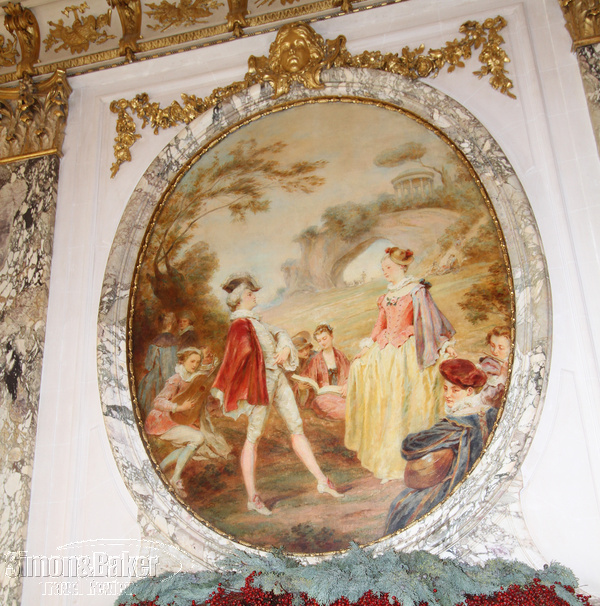
New establishment, new and significant encounters: “the rhythm was really intense, but that enabled me to save an untold amount of time. I really learnt about every aspect of cooking, from respect for the produce through to the ideal cooking method and the ideal seasoning.” He quickly rose to the position of Head Chef de Partie then Junior Sous-Chef. He then joined Adrien Trouilloud as Sous-Chef at Lasserre: “I learnt a great deal with Adrien too, notably regarding sauces and rotisserie, areas in which he excels”. In 2016, Amaury joined Le Meurice – Alain Ducasse as Jocelyn Herland’s assistant Chef de Cuisine. When the latter left in June 2020, it was quite natural that Alain Ducasse should entrust the reins of the establishment to Amaury: “If I chose Amaury, it was because he has the potential to embody a new stage in the life of the restaurant at Le Meurice.”
The restaurant offered two menu options for dinner: The collection menu for €360 per person excluding drinks and the Discovery menu for €300 per person excluding drinks. In these menus, the guest is free to choose his dishes, guided by the restaurant manager.
Since 2022, the Restaurant le Meurice Alain Ducasse has received the Ecotable label, a sustainable label. It is the first palace restaurant to have this label. For more information: ecotable.fr/en/ecotables/le-meurice-alain-ducasse-rivoli-etoile-paris-hotel-gastronomique
*Under normal circumstances our articles are based exclusively on the experiences and photography of our contributors at a destination and voyage. Due to the Covid-19 pandemic we have halted travel. For those ready to travel now we are offering limited updates about destinations, properties and restaurants we featured in the past and whose representatives have responded to our questions and requests for updates. This series of updates began in 2021.
by Editor | Jan 4, 2023 | Accomodations, Attractions, Ecotourism, Food and Wine, Luxury Travel, Restaurants
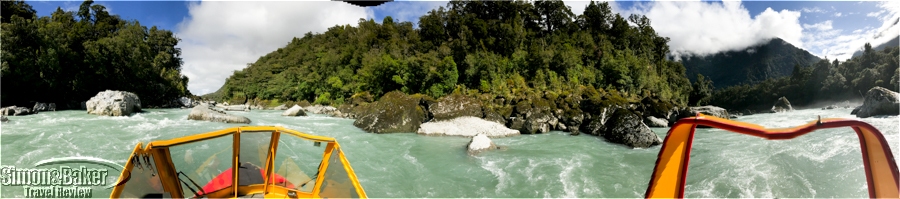
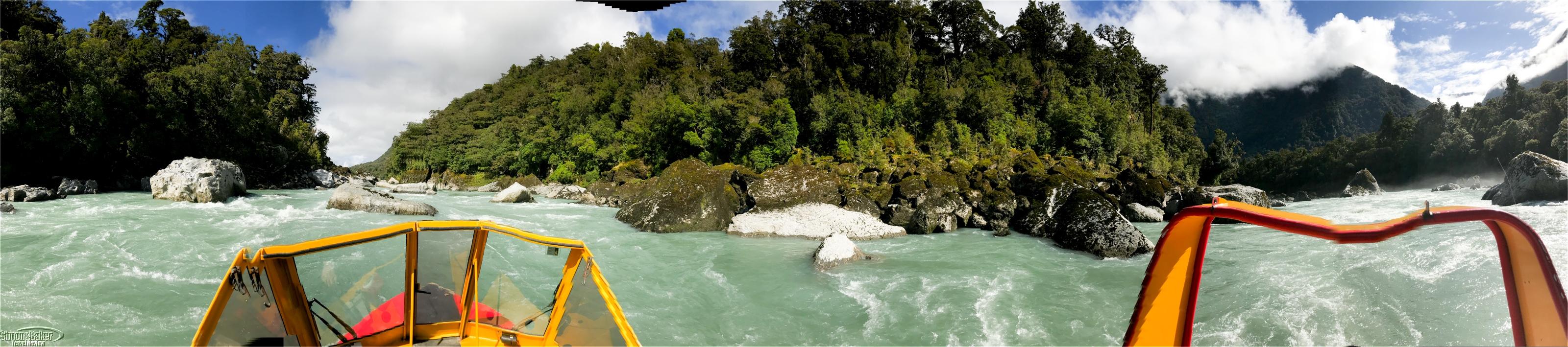
*Wayne’s Waiatoto River Safari, a private river outing
Under normal circumstances our articles are based exclusively on the experiences and photography of our contributors at a destination and voyage. Due to the Covid-19 pandemic we have halted travel. For those ready to travel now we are offering limited updates about destinations, properties and tours we featured in the past and whose representatives have responded to our questions and requests for updates. This series of updates began in 2021.
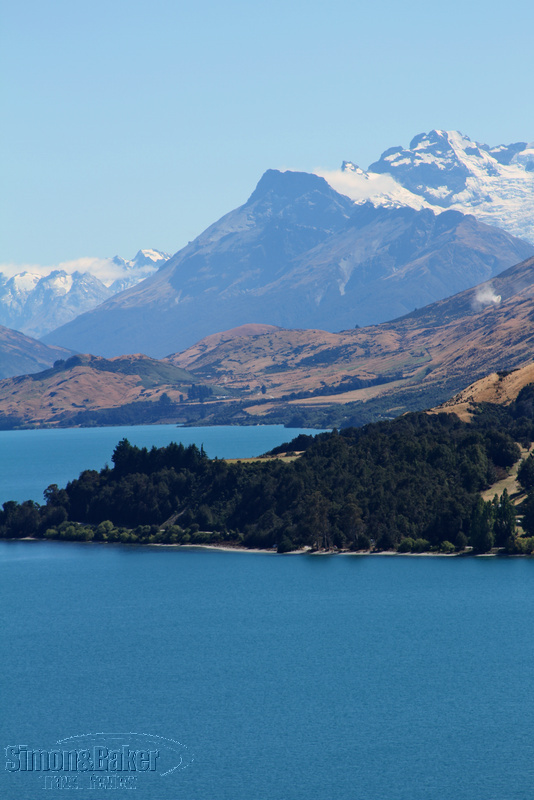
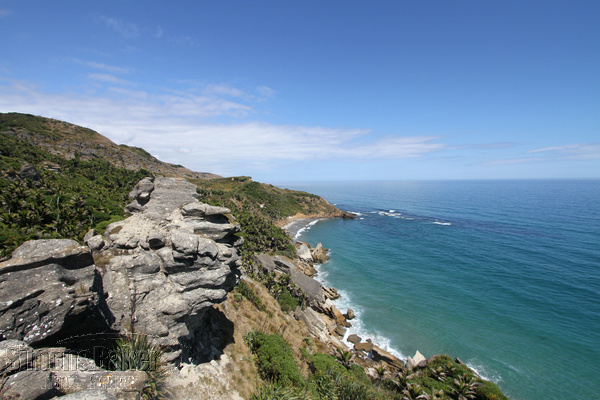
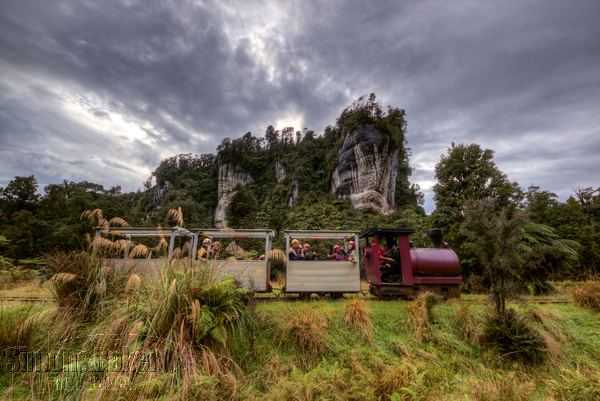
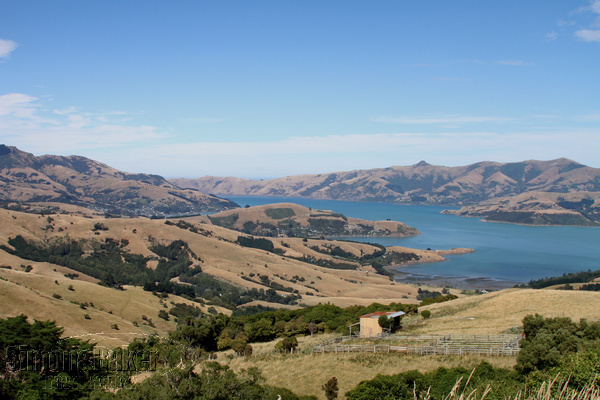
In 2019, following a trip to New Zealand and private tour, we profiled Aroha New Zealand Tours Intrepid, South Island. Three of the properties in that itinerary have failed to reply to our emails, two others have closed and one of the attractions is no longer in business. Lakestone Lodge and Cabot Lodge shared updates and responded to questions, see Update: NZ lodge near Fiordland National Park and Update: NZ lodge welcoming international guests.
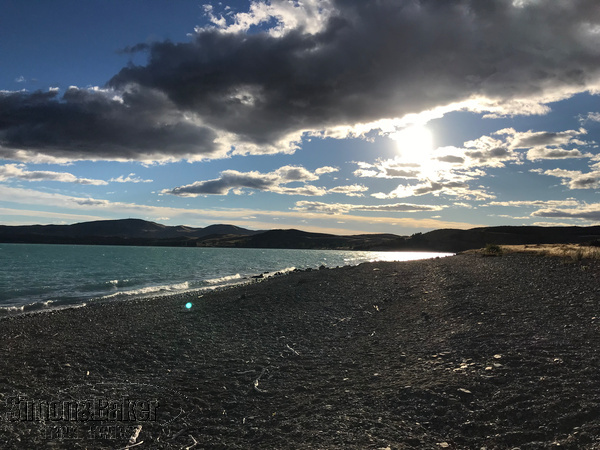
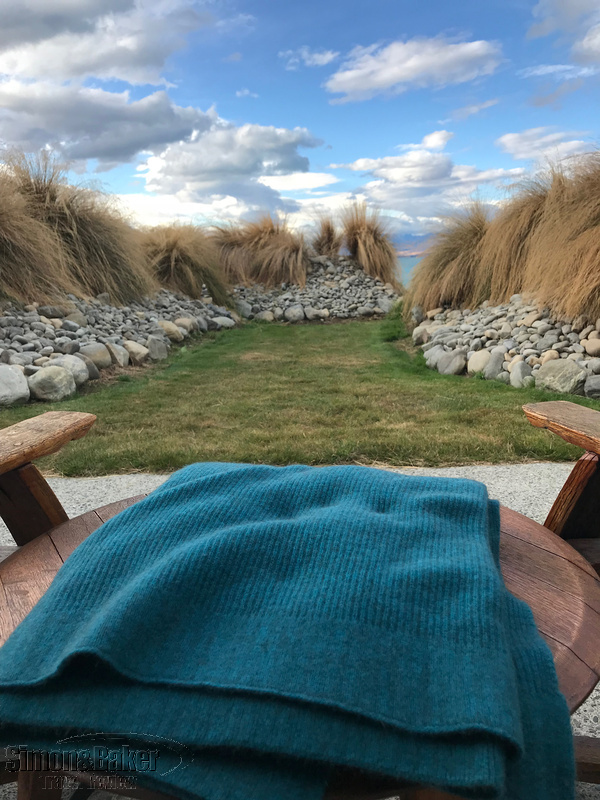
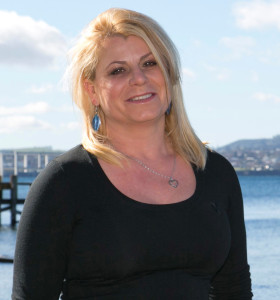
We recently contacted Veronika Vermeulen, director, Aroha New Zealand Tours Ltd. to ask about the bespoke luxury tour company and current travel conditions in New Zealand. Below are our questions and her answers.
Veronika Vermeulen, director, Aroha New Zealand Tours Ltd.
LTR: Are you welcoming international travelers?
VV: Yes we are open to all travellers. Tours started back with neighbouring countries in July, and September in general.
LTR: A number of travel business across the globe have shut down post pandemic. Some travelers have been stranded as a result. What is the situation in this regard in New Zealand and with your company?
VV: Everybody was able to leave New Zealand with the help of our company and our government in the following month after the borders were closed. However, some people decided to stay for a month (some have yet to leave) to sit out the world crisis in New Zealand.
LTR: What, if any, policies and safeguards do you have in response to Covid-19?
VV: We have applied government Covid regulation and still provide today a Covid-19 Safety Plan. We are committed to keeping you safe.
On the other hand we are not taking long pre pays and only request a small down payment, to cover our original service cost. Main payment is only required 40 days before arrival (conditions apply with some premium luxury stays).
LTR: Is there flooding, a water shortage/drought or other condition(s) affecting facilities, guests amenities, safe and comfortable travel in New Zealand?
VV: No, none of this is affecting New Zealand for now.
LTR: Are there any updates to your services and tours you care to share. Do you offer private accommodations like rental homes or small lodges for extended stays (a week or longer) and for guest that want a private or isolated stay?
VV: We decided to stay even more unique and boutique with a concentration on customer services rather than the high turnover. We can offer private stays (boutique properties) for privacy and extended stays. However, we still concentrate on private guided tours as our primary sector.
LTR: Would you share details of any extended stay packages such as weekly or monthly rates.
VV: We 100 percent customised and have no standard rates!
See example pricing attached for 2 people.
LTR: New Zealand news of youth gangs, future earthquake risks and other severe weather events have been in the news this year. Would you comment on the likelihood that a visitor might be affected by one or more of those issues?
VV: No gangs are effecting any traveller!
Earthquakes are likely but no danger. Common we are called the shaky ales!
Floods like most other countries around the world.
LTR: Are Amisfield Bistro & Cellar Door, Wayne’s Waiatoto River Safari, Tasman Helicopter, Underworld Rafting all operating normally?
VV: Yes all these are running normal again
*Photos were taken during a pre-pandemic trip, except for the photo of Veronika Vermeulen provided by Aroha New Zealand Tours Ltd.
by Editor | Jul 15, 2019 | Restaurants
By Elena del Valle
Photos by Gary Cox and Elena del Valle
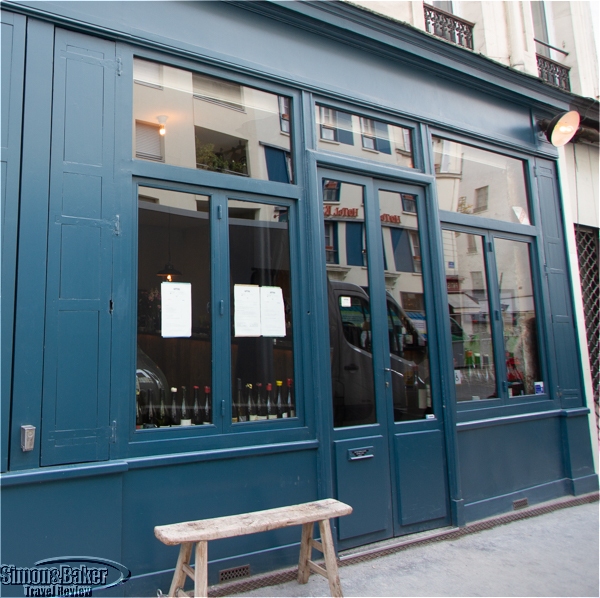
The Septime facade on rue de Charonne in the 11 arrondissement
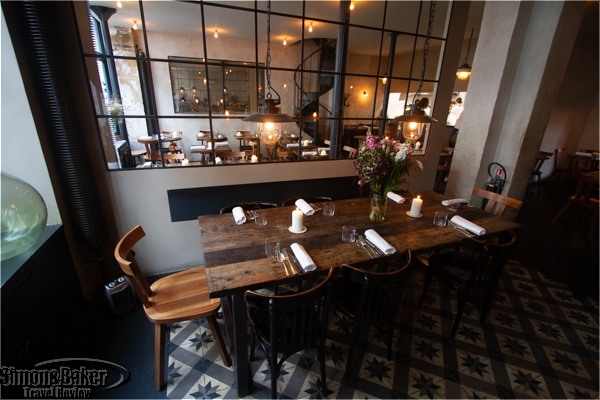
The restaurant was divided into three sections, entrance, main dining area and open kitchen.
Reserving a table at Septime (80, rue de Charonne, 75011 Paris, France, +33 01 43 67 38 29, www.septime-charonne.fr) was an adventurous act because we would only find out the menu at the moment it was served the day of the meal. The emphasis in the kitchen was on seasonal ingredients. Beside that all we knew when we booked our seats was the hour, number of courses and price. And getting there was not so much difficult as out of the well tread tourist circuit, well as much as any neighborhood in Paris, France is out of the tourist circuit.
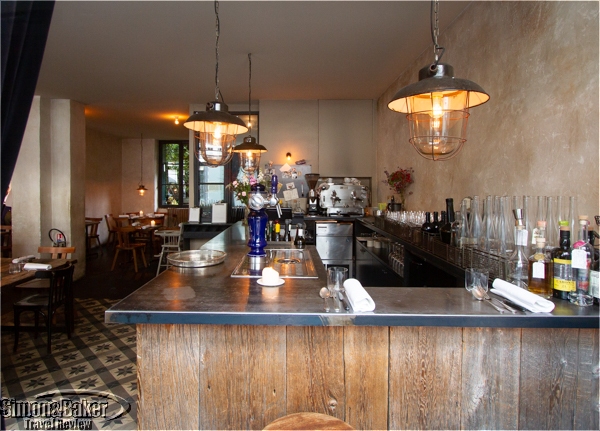
The bar was the first area of the restaurant we saw once we entered.
We liked the young, hip vibe of the unpretentious venue with such an understated facade we almost missed it. Large glass windows allowed passersby a view of the interior, which quickly became crowded. All the tables, even the bar stools, were taken when we were first there. Septime could accommodate a maximum of 38 diners with a staff of 15. The interior of the 62 square meter restaurant was tidy and clean, the young staff welcoming. Glasses, silverware and rolled up cloth napkins sat atop bare wood tables. Lively music filled the air.
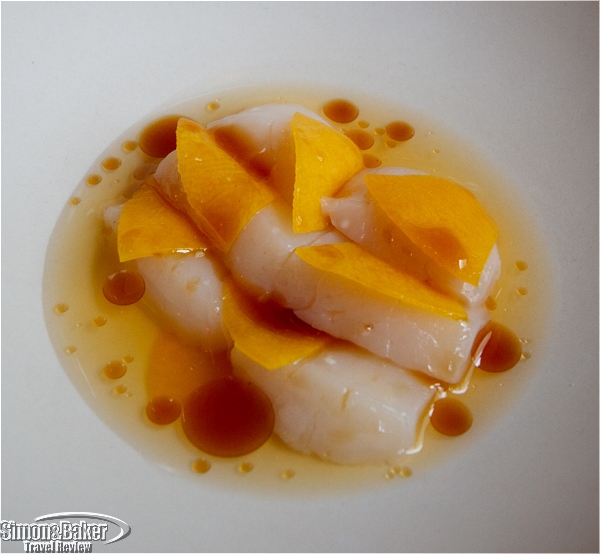
The dishes were visually appealing and well balanced.
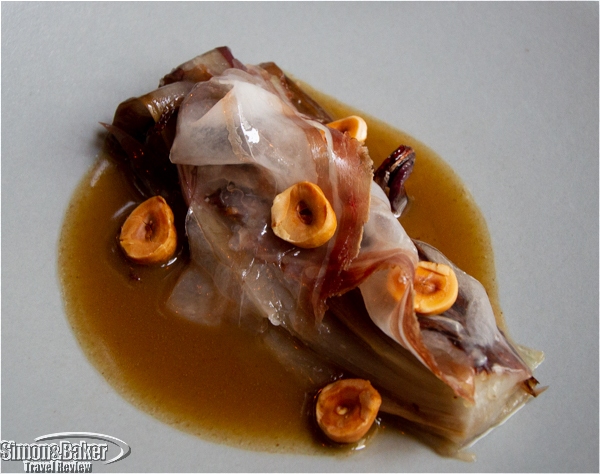
There were two surprise appetizers, two choices for the main course and a surprise dessert.
Natural light filled the dining room. It was toasty warm (we were there in the fall), making it possible to remove jackets and rain gear. The décor was polished and upscale yet urban contemporary. Perhaps because there was a high ceiling it felt spacious although it was full. The tables were close enough to hear neighbor’s conversations without trying. Other features included bare light bulbs, spiral metal staircase (for staff only), unisex bathrooms with a single sink and wood chairs (after a while the lack of cushions made the seats uncomfortable). The dining audience skewed young, diverse and international. An open kitchen allowed us to observe the chefs at work without the cooking smells overwhelming us.
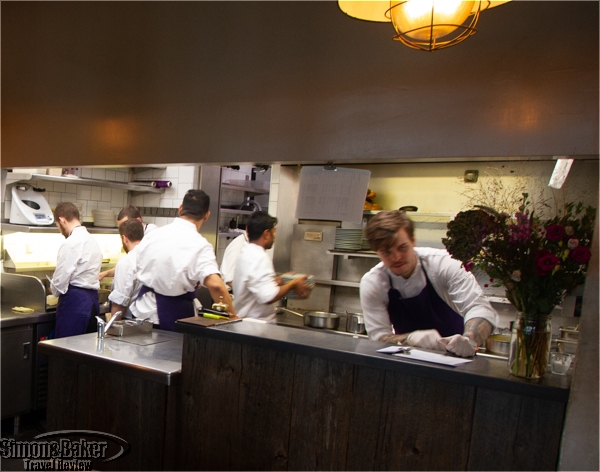
An open kitchen allowed us to observe the chefs at work
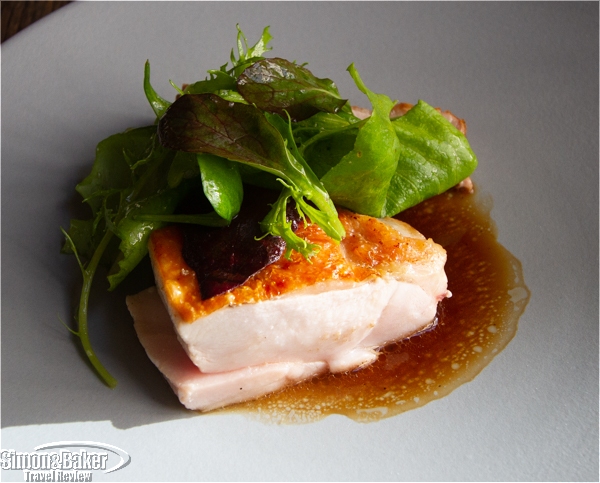
We appreciated that the staff offered a description of the ingredients in English.
The staff were friendly, well informed and helpful. Many were fluent in English, translating the menu and ingredients for us and other diners with ease. And the food? Delicious and outstanding value for money. We paid 42 euros per person per lunch menu, excluding beverages and gratuity.
Our four course menu was satisfying. There were two surprise appetizers, two choices for the main course and a surprise dessert. On our first lunch there was a choice of brill fish in lemon sauce with raw cabbage or young chicken with potatoes in coffee oil, meat juice. We also had raw scallops from Saint Malo, picked squash, squash seeds and black cardamom.
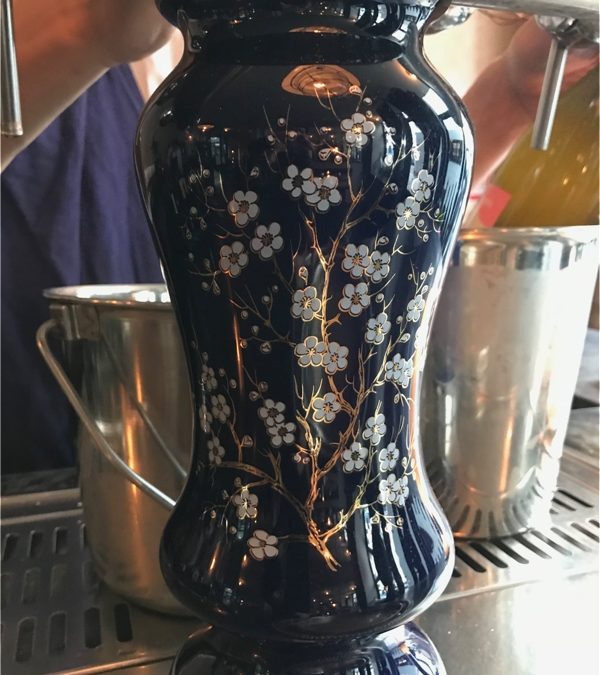
One of the most memorable items was a hodgepodge hot beverage option served in a see through glass container. The bartender made it using whatever fresh fruit was available. Although it was not included in the set menu many of our neighbors ordered it. One infusion was made with apple, yuzu, mandarin orange, thyme and coriander. Another was made with mandarin orange, apple, pear, and verbena and served. The resulting blend of flavors were subtle. On request it was served with honey.
Soon after we sat down our server brought crispy bread sticks with a foamy Gouda cheese dip. There was also crunchy country bread (without butter). Before long someone brought us chilled raw fish with vegetable shavings and celery oil dressing. We appreciated that the staff offered a description of the ingredients in English. The dish had a “clean” refreshing flavor. Warm beets served with black pig from Bigor, smoked lard, Greek Yogurt and mustard seeds was next. Hay infused (who knew you could use hay to infuse flavor?) red sweetbreads served with Paris mushrooms, carrots and shallots in a creamy sauce were next. It was sauteed just right, flavorful yet delicate at once. For dessert there was caramelized ice cream with apple mousseline, quince and fig leaf oil.
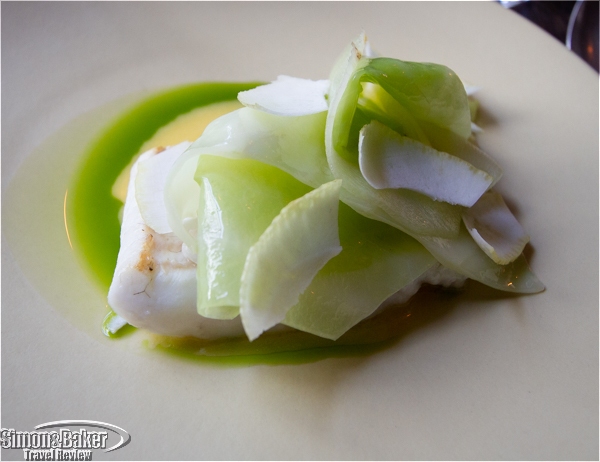
Chilled raw fish with vegetable shaving and celery oil dressing.
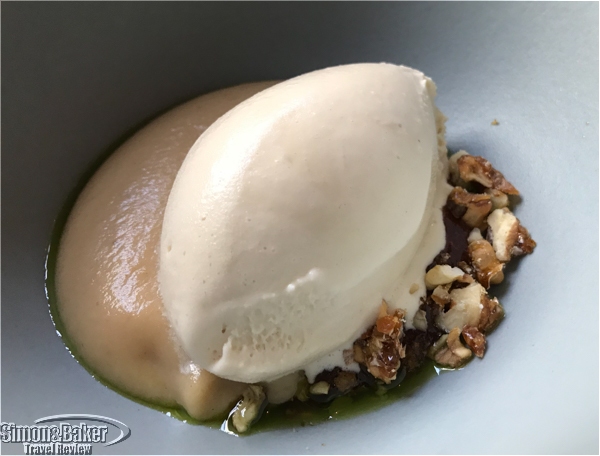
For dessert there was ice cream.
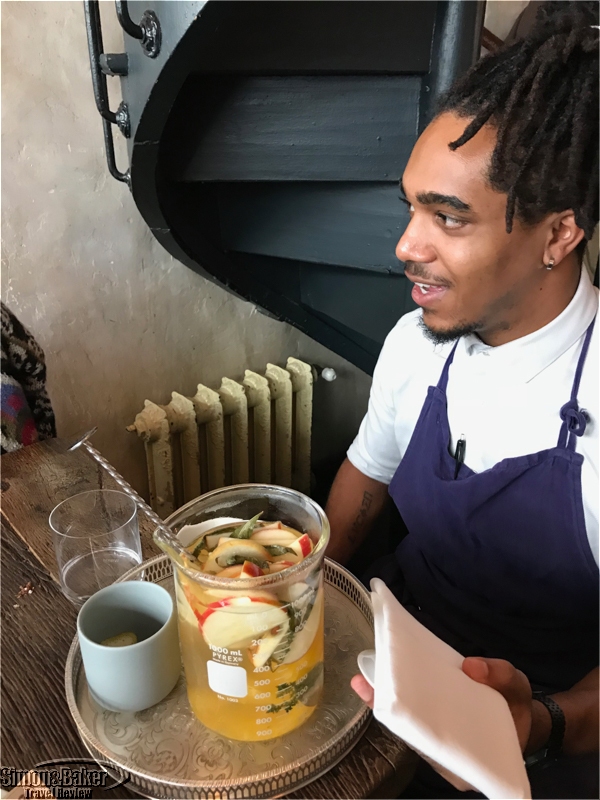
The bartender made a hot beverage with fresh fruit.
The restaurant opened in the spring of 2011 and was named as a tongue-in-cheek homage of the old-fashioned chef from the 1966 movie Le Grand Restaurant starring Louis de Funès. The owners strive to “keep a respectful distance from the all-French ways and means of classical fine dining – while honoring that heritage in our own way,” according to promotional information provided by email by a restaurant representative. “Here at Septime, the sometimes uptight ceremony of “Auteur cuisine” is brought to you with a spirit of lightness.”
The restaurant was owned by Bertrand Grébaut, chef, and Theo Pourriat, sommelier. We later found out that 100 percent of ingredients used in the restaurant were French, organic, and fresh (never frozen). It was noteworthy that 98 percent of the 200 wines on offer were natural, including organic and biodynamic.
by Editor | Jun 17, 2019 | Food and Wine, Luxury Travel, Restaurants
Article and photos by Elena del Valle
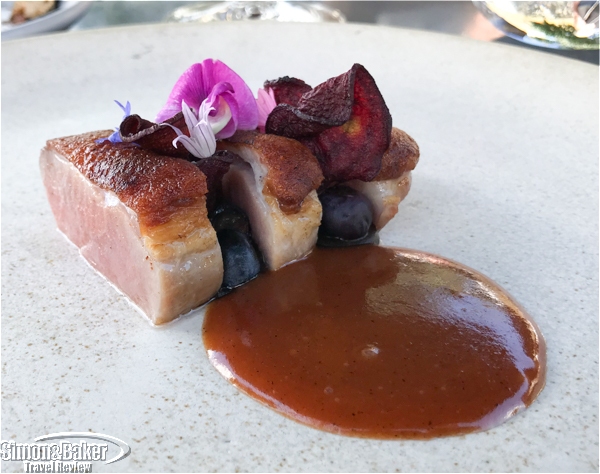
Cardrona Valley lamb neck, garlic yoghurt, pea, umami served with Amisfield Pinot Noir 2016
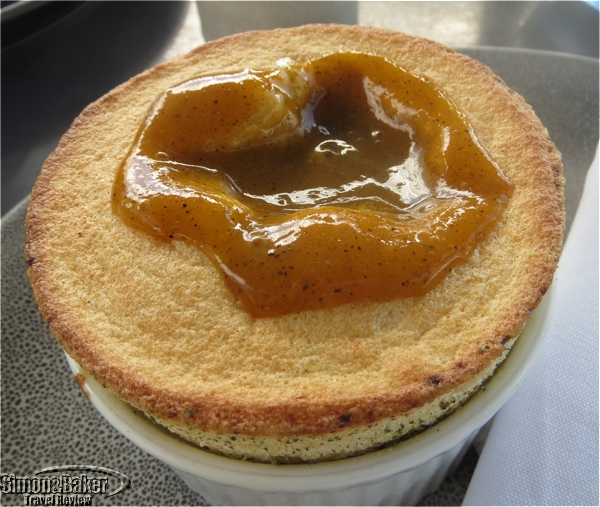
Grilled apricot souffle, lemon verbena
Because I spent most of my trip off the beaten track, on a private Aroha Intrepid tour, my main impression of New Zealand fine dining was derived from lunch at Amisfield Bistro & Cellar Door (10 Lake Hayes Road, RD 1, Queenstown 9371, +64 3 442 0556, amisfield.co.nz, bistro@amisfield.co.nz, cellardoor@amisfield.co.nz), a South Island bistro near Queenstown, where I spent one night. The vineyard side meal was well prepared and well presented, the setting pleasant and pretty. Should I be in the area and in search of a fine dining option I would return, and I would recommend the restaurant to friends and acquaintances traveling to the area.
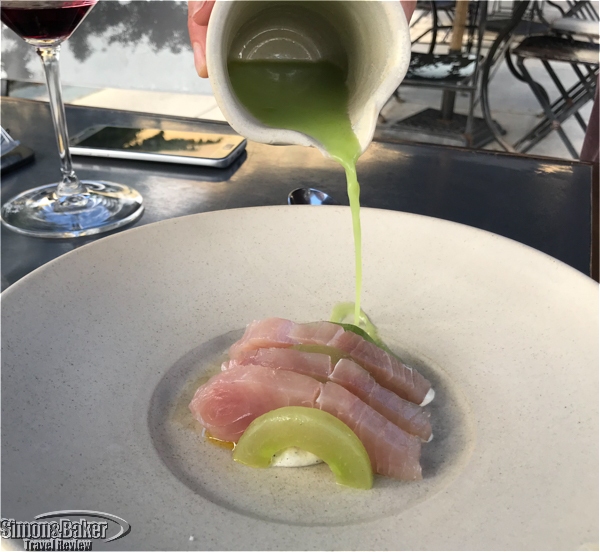
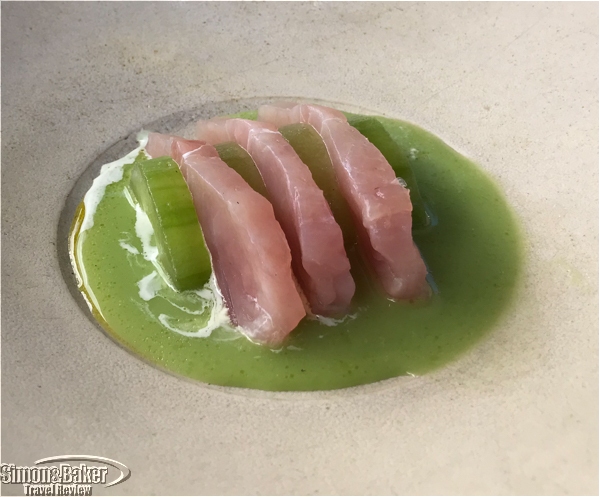
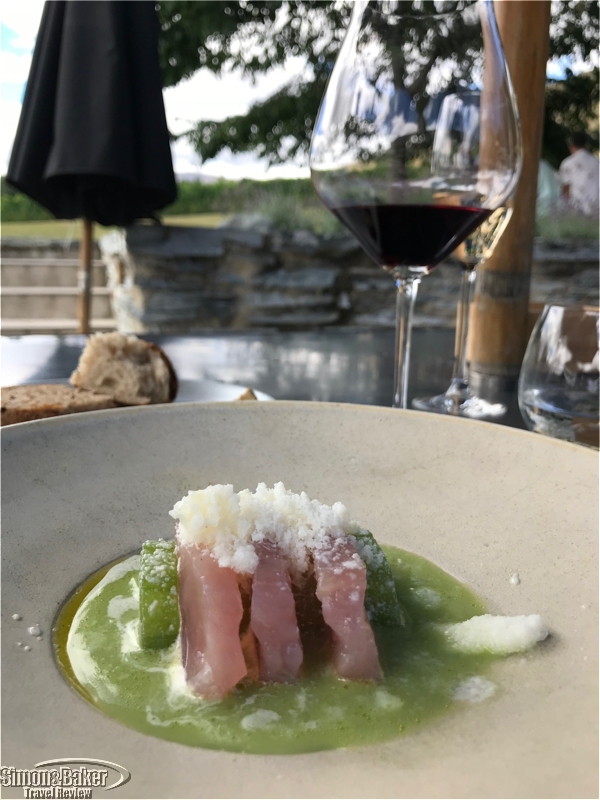
Kingfish, Horseradish, Cucumber
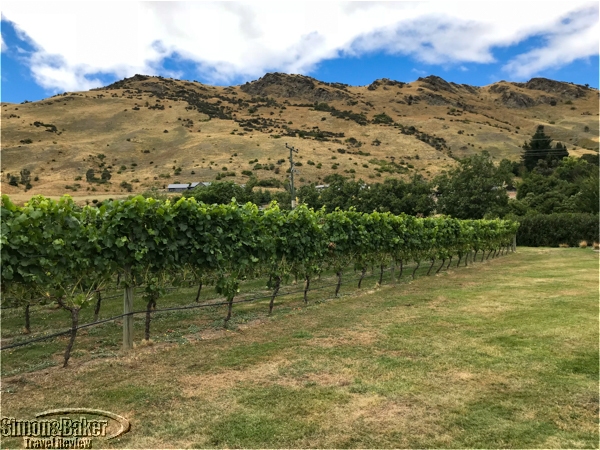
My travel companion and I had lunch there on a breezy and sunny summer day. It was crowded. The restaurant could accommodate up to 100 guests at lunch and 40 at dinner. There were people indoors and outdoors. All the tables I could see from where we sat in the terrace, thankful for the shade of a large umbrella, were occupied. Our table faced a water feature on one side and a green lawn adjacent to the estate vineyards. Despite a mild chill in the air I saw more than one guest take advantage of the respite offered by stacks of sunhats on the edge of the water feature.
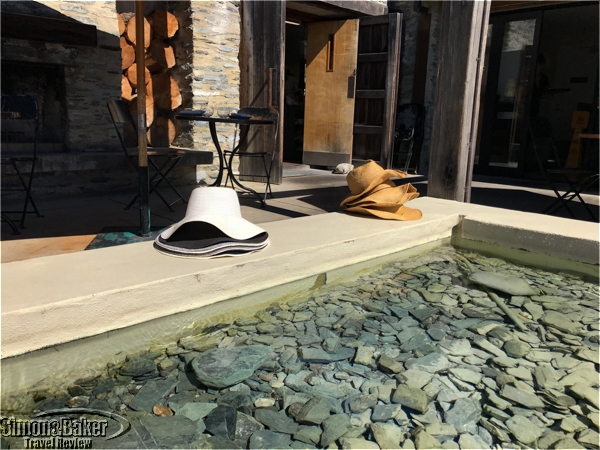
Guests took advantage of the respite offered by sunhats on the edge of the water feature.
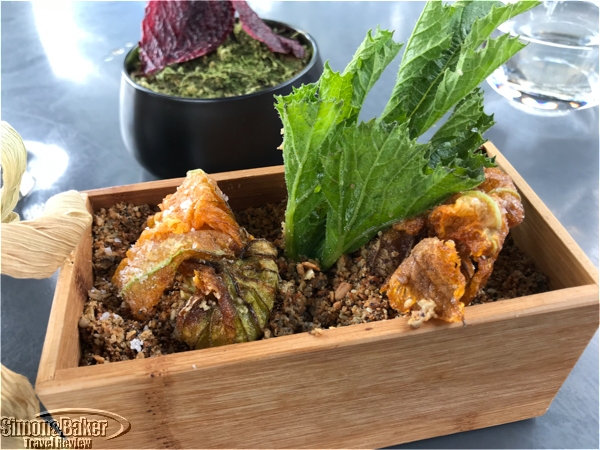
This dish included edible “soil”
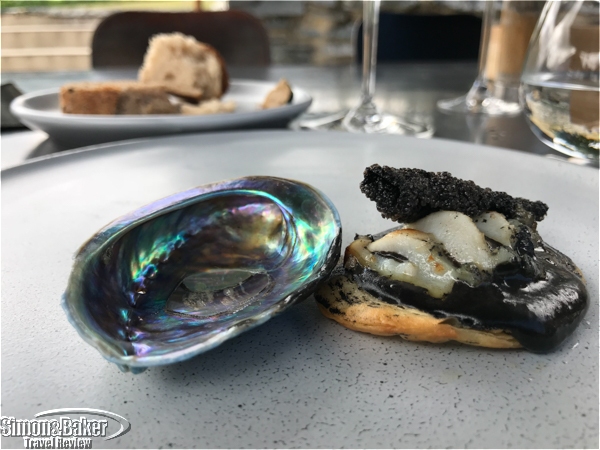
A shellfish delicacy
We both had the 5 Course Trust the Chef tasting menu with a partial wine pairing and a couple of extra bites sent from the kitchen: Zucchini flower Toasted corn; Amisfield Brut 2016, Amisfield breads; Tomato sandwich Amisfield Pinot Gris 2018; The paua pie, Amisfield Fume Blanc 2016; Kingfish, Horseradish, Cucumber, Amisfield Chenin Blanc 2018; Cardrona Valley lamb neck, garlic yoghurt, pea, umami, Amisfield Pinot Noir 2015; Grilled apricot souffle, lemon verbena. Several staff rotated at our table. Whenever a server brought a dish he or she listed the ingredients. Some staff were friendly although service was sluggish. Lunch was inventive, aesthetically oriented and satisfying.
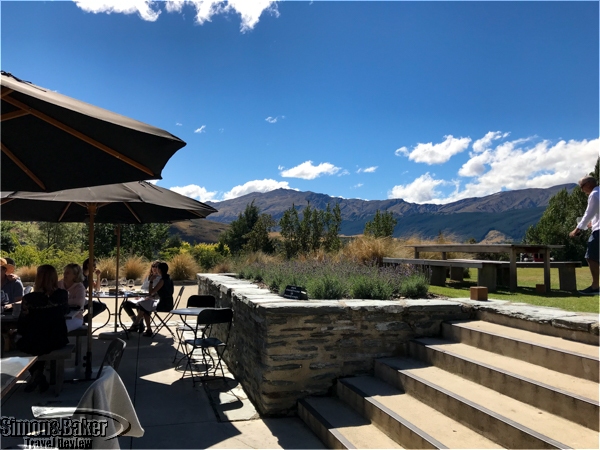
The terrace where we sat for lunch was popular
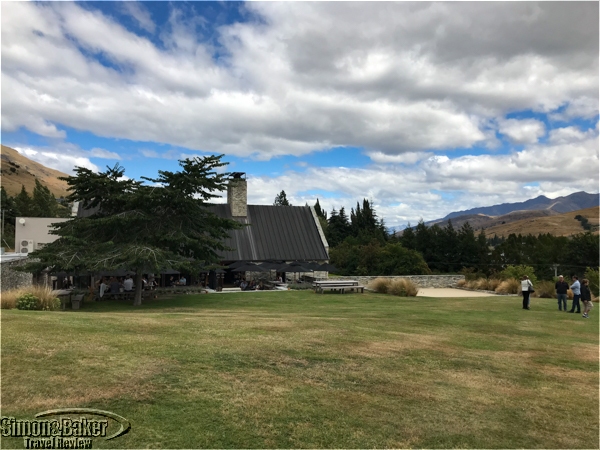
A view of the restaurant built with 1,500 tons of Glenorchy schist and railway sleepers
The two story building was constructed with 1,500 tons of Glenorchy schist and railway sleepers salvaged from a deconstructed bridge in Southland. Headed by Vaughan Mabee, executive chef, the restaurant offered seasonal dishes made from one hundred percent New Zealand ingredients. All meat on offer was grass fed, according to a restaurant spokesperson who responded to questions by email. I liked that the restaurant had an organic produce supplier. The staff only bought sustainable species of fish. Everything was made from fresh, never frozen, ingredients, and the only wines on offer were produced by Amisfield, according to the spokesperson. In 2013, Amisfield began an organic conversion, using as little intervention as possible. The winemaker produced two wines of the natural expression: Amisfield Burn Pinot Gris, an orange wine, and Amisfield Pétillant Naturel.
by Editor | May 6, 2019 | Restaurants
Article and photos by Elena del Valle
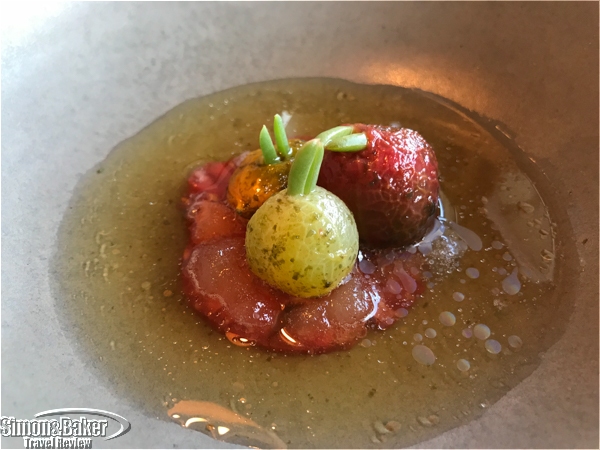
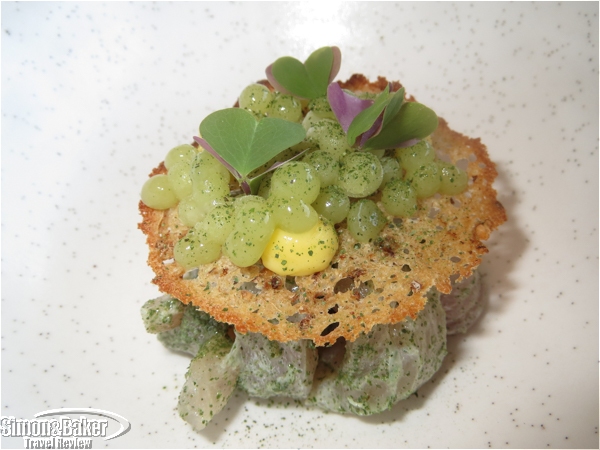
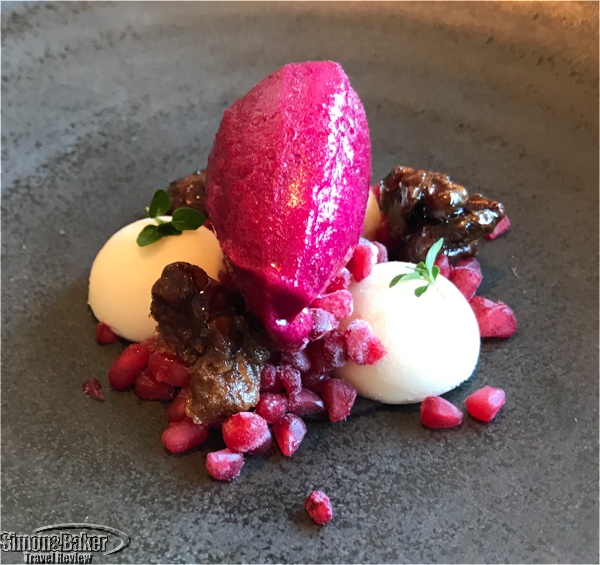
Dishes from our weekday surprise five-course menu
I heard about Roots, a locally focused restaurant with a twelve course tasting menu in the suburbs of Christchurch, New Zealand before I arrived there. I was curious about its surprise twelve course menu and wine pairing, but the only night I had available as my itinerary came to a close was the night before my predawn departure. I wasn’t willing to indulge in such an elaborate meal on the eve of a series of long flights to return to the United States. At the last minute I realized the restaurant opened for lunch on weekends, offering a surprise five-course menu. That was tempting.
It was especially opportune because I had just made plans to visit Akaroa, and Lyttelton, where Roots was located, was on my way back to Christchurch from Akaroa. Would it be possible to book a table on short notice in peak season? My tour guide thought it was worth a try. She called from the car as we made our way north toward Christchurch from Lake Pukaki, where we had spent the previous nights. When the woman who answered the phone requested that we visit the restaurant website to book a table my guide explained we were on the road. Finally the woman at Roots agreed to hold a table provided we call back to give her a credit card guarantee. But, it wasn’t until several hours later that we called her a second time. I figured by then the table was gone. It wasn’t.
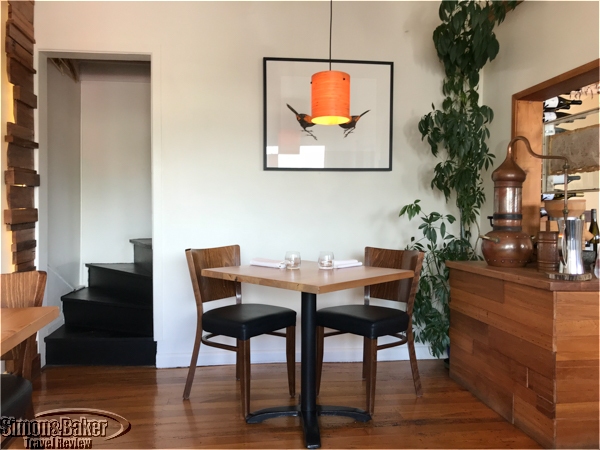
The table across from ours in the sunlit dining room
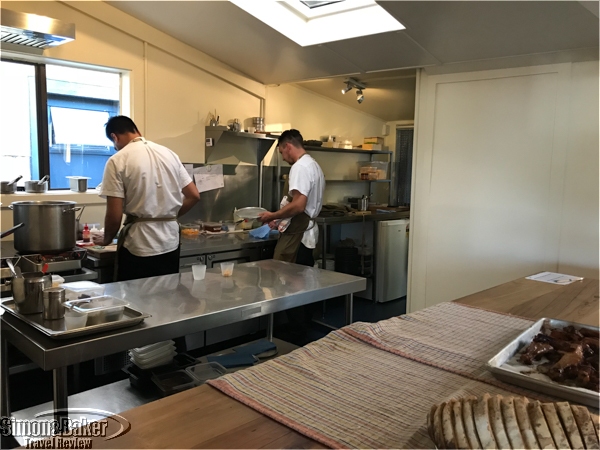
Staff at work in the open kitchen
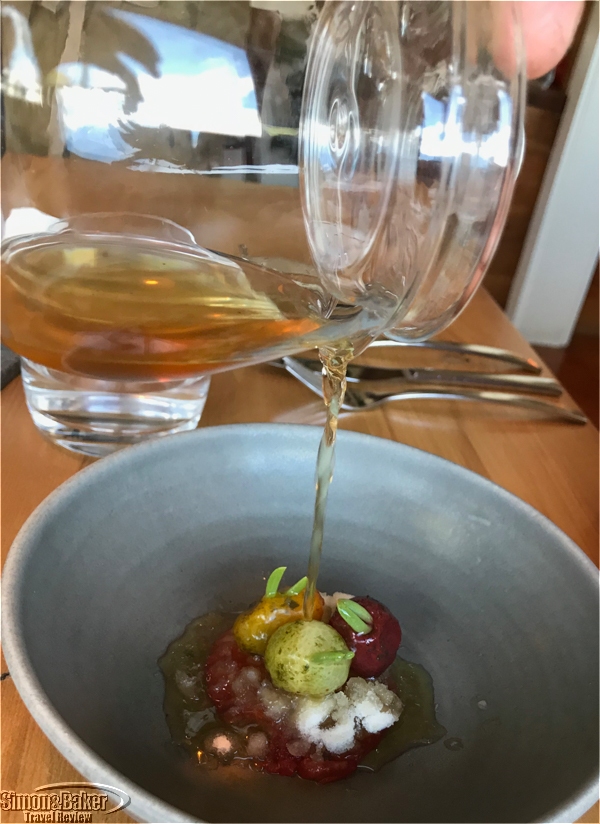
Tomato bull kelp granita, ice plant, wasabi, smoked capsicum
The following afternoon, after grossly miscalculating the driving time from Akaroa, we arrived 30 minutes late. Despite crossing huge patches of no cellphone service we called twice to say we were on our way. When we arrived I sighed with relief, glad to be out of the vehicle. We were fortunate to find an empty parking space near the restaurant entrance on the popular and quaint main street in Lyttelton. Given our delay I expected a grumpy reception. I couldn’t have been more wrong. Emma, the front of house manager, welcomed us without any fuss. And to our delight we had the entire restaurant to ourselves.
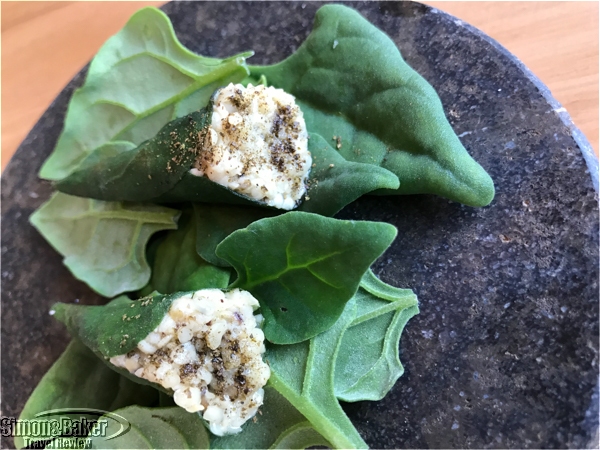
Hemp & NZ Spinach
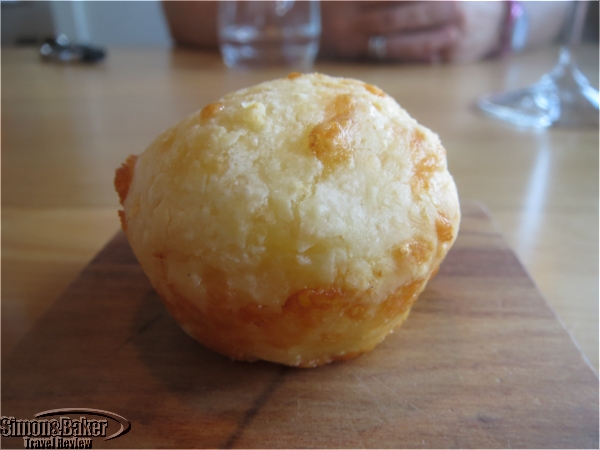
Pork Belly Pan de Yuca
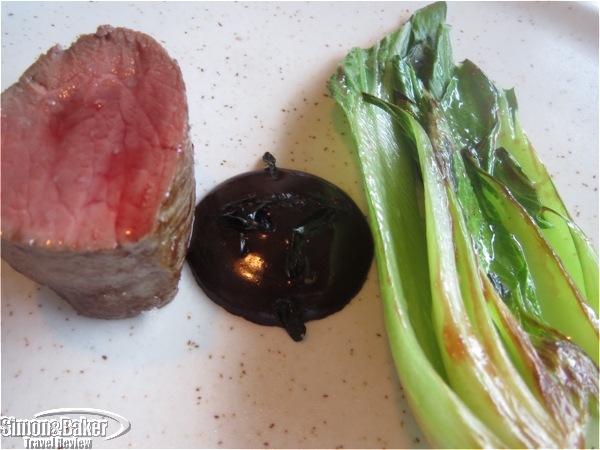
Venison blood, bok choy, plum, harakeke seeds
That set the relaxed and sunny tone for the rest of the day. As we sat down I admired the uncluttered space and pretty original artwork on the walls around us, made easier to appreciate thanks to the soft natural light that filtered into the dining room through large windows. There was no menu. Emma or another staff member described each dish when they placed it in front of us. After the rush on the winding road my stomach was unhappy. With some effort I convinced myself to limited wine consumption with the meal. Emma’s two New Zealand recommendations, 2018 Clos Marguerite sauvignon blanc from Malborough and 2014 Mountford Estate pinot noir, were spot on.
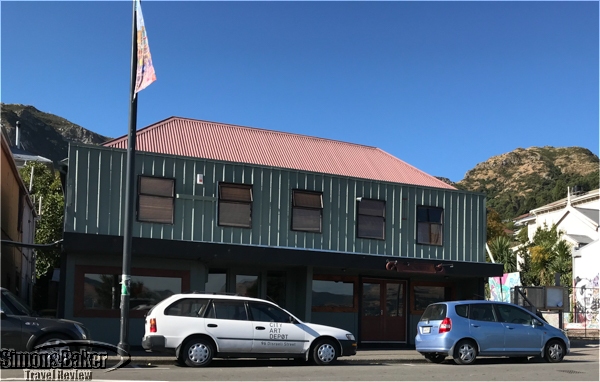
The front of the building housing Roots
Lunch consisted of the following (shared later by email): Hemp & NZ Spinach Pork Belly Pan de Yuca; Tomato bull kelp granita, ice plant, wasabi, smoked capsicum; Tuna kawa kawa, grain cracker, corn custard, cucumber, sorrel; Duck blackberries, confit garlic, black lime powder, broad bean miso; Venison blood, bok choy, plum, harakeke seeds; Cheese omg brie, Windsor blue, mahoe very old Edam, curio bay pecorino; Cleanser apricot, yoghurt, fresh mint; and Beetroot walnut, raspberry, thyme, goat cheese; and Marshmallow charcoal oil, wheat, white chocolate, wheat grass, Pineapple Sage. Despite repeated requests Roots representatives declined to respond to any questions.
I appreciated the warm service, understated ambiance, creative tone and visually appealing presentation of the dishes. I would recommend Roots to curious friends visiting Lyttelton who enjoy multi-course meals and inventive cuisine.