by Editor | Sep 26, 2023 | Accomodations, Safari/Game viewing
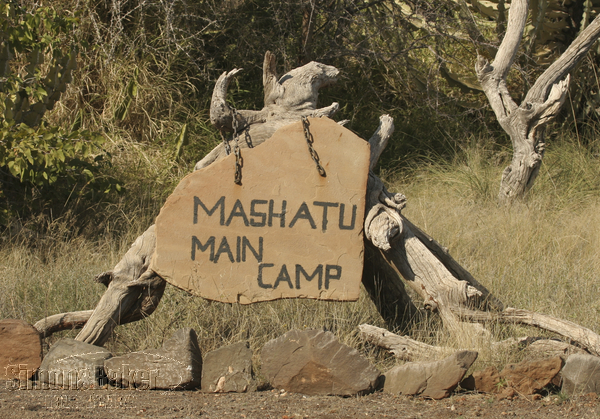
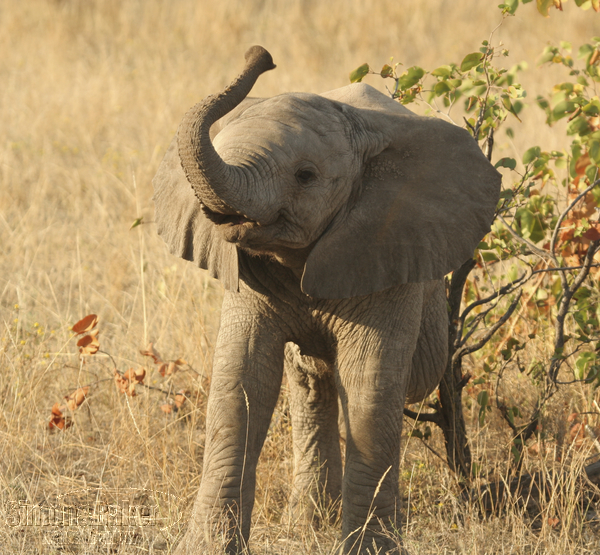
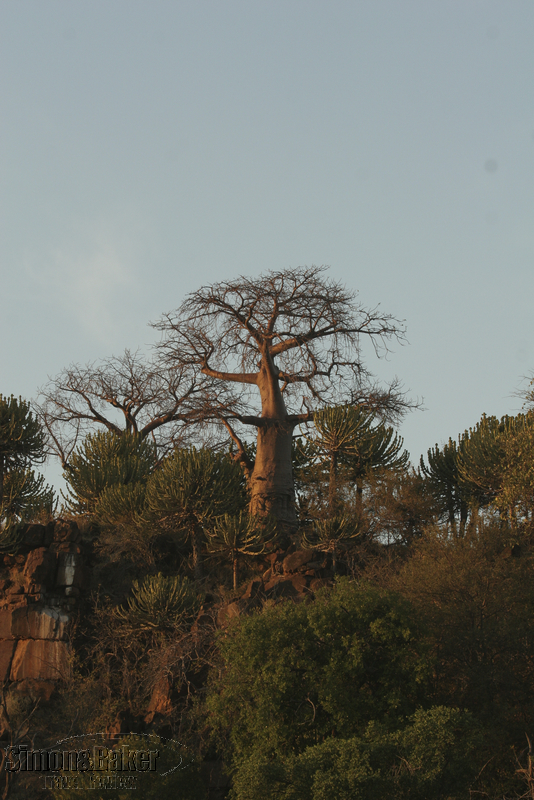
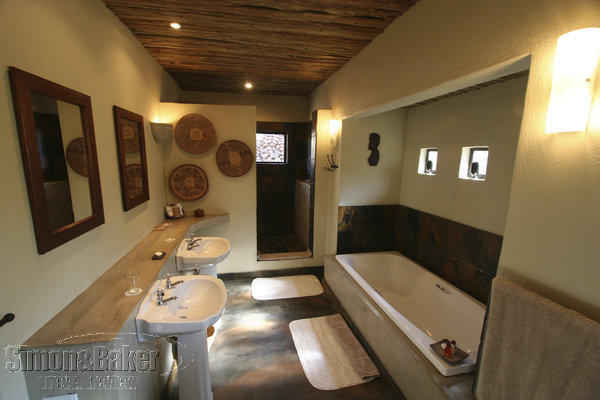
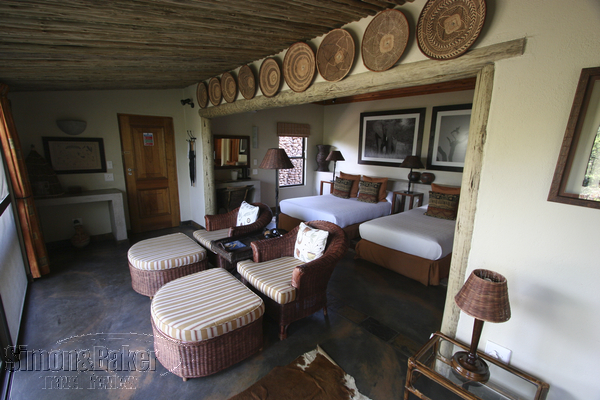
It’s been a while since we profiled Mashatu Main Camp at Mashatu Game Reserve, a safari property in a private reserve in Botswana’s Tuli Block, in 2008. At the time it was owned by the same family that owned the well known Mala Mala Reserve in the popular Sabi Sand Reserve adjacent to South Africa’s famous Kruger National Park, which we have profiled several times over the years. In June 2023 we reached out to Mashatu via email requesting updates.* Recently, Tracy Pretorius, a Mashatu sales representative, replied to our questions via email. The most notable update is that there is a new owner at Mashatu. The watermarked photos in this update were taken by our contributors when they stayed at the property in 2008. The other photos were provided by property representatives this year.
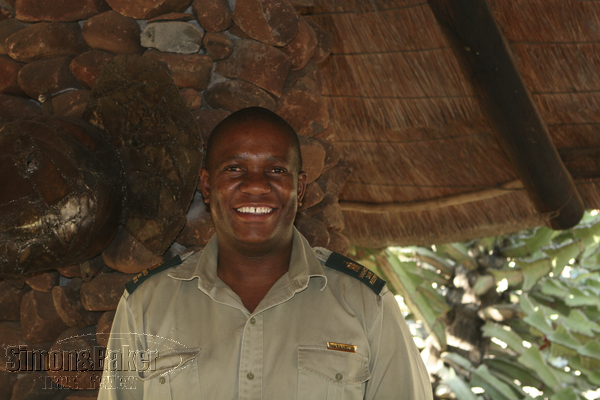
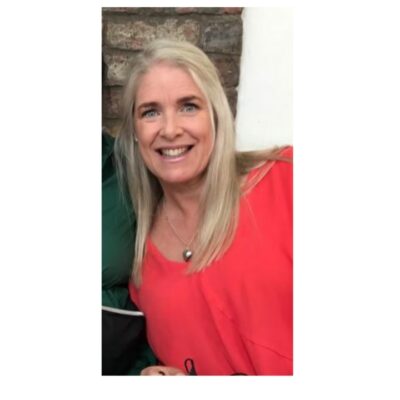
Tracy Pretorius, a Mashatu sales representative
LTR: A number of travel businesses across the globe shut down or reduced their offerings during and post pandemic. What can you share regarding your lodge?
TP: We were closed for 13 months, but managed to keep all staff employed during the pandemic. We are now back up and running and have 6 properties at Mashatu for guests to enjoy.
LTR: What, if any, pandemic policies and safeguards remain in place?
TP: No pandemic policies remain in place
LTR: Are Mashatu guests required to show proof of vaccination, negative Covid-19 tests, wear a mask or take any other measures?
TP: No
LTR: How often do you clean guestrooms?
TP: 3 times a day
LTR: Has there been a change in ownership since we profiled your lodge?
TP: Yes
LTR: What is the name of the new owner(s)?
TP: Stephen Lansdown
LTR: Are there any condition(s) affecting your facilities, amenities, and their safe and comfortable enjoyment? This could be anything like flooding, drought, water restrictions, strikes, staff shortages, etc.
TP: None
LTR: What recommendations would you share with overseas travelers given the frequent power outages in South Africa?
TP: We are in Botswana and have no power outages other than those cause by occasional weather – we then use back-up generators.
LTR: Since our contributors were there are there any updates to Mashatu Main Camp you care to share?
TP: We now refer to Mashatu Main Camp as Mashatu Lodge – we have re-thatched all the public areas, replaced all the roofing on the units, installed a museum as well as Serekolo Wellness Spa
Our current contact details are:
Address: Mashatu Game Reserve, Northern Tuli Game Reserve, Tuli Block, Botswana
Reservations: PostNet Suite 035, Private Bag X7005, Hillcrest, Durban, 3650, South Africa
Phone: +27 31 761 3440
Website: http://www.mashatu.com/
Email: reservations@mashatu.com
LTR: What routing options do you recommend for overseas travelers to reach your property? Is Johannesburg, South Africa the best connection?
TP: Yes – via Johannesburg is the easiest – we have daily flights from Lanseria to Limpopo Valley Airfield (airport at Mashatu)
LTR: If you offer exclusive use accommodations such as a multi-bedroom house feel free to share details including size in square meters and amenities.
TP We have two exclusive use safari homes – 3* Shalimpo (self-catering) and 5* Kolokolo (fully inclusive) – both have 4 en-suite bedrooms and swimming pools.
LTR: Would you share details about Kolokolo? For example, does it include its own staff, a dedicated safari vehicle?
TP: Herewith please find the information I managed to get from camp for you regarding Kolokolo:
Main House – 390 square meters
Managers House – 56 square meters
Camp Grounds – 6784 square meters
Yes – Kolokolo comes with it’s own chef and housekeeping team as well as a dedicated safari vehicle with guide and tracker.
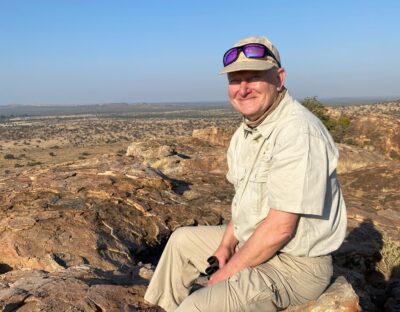
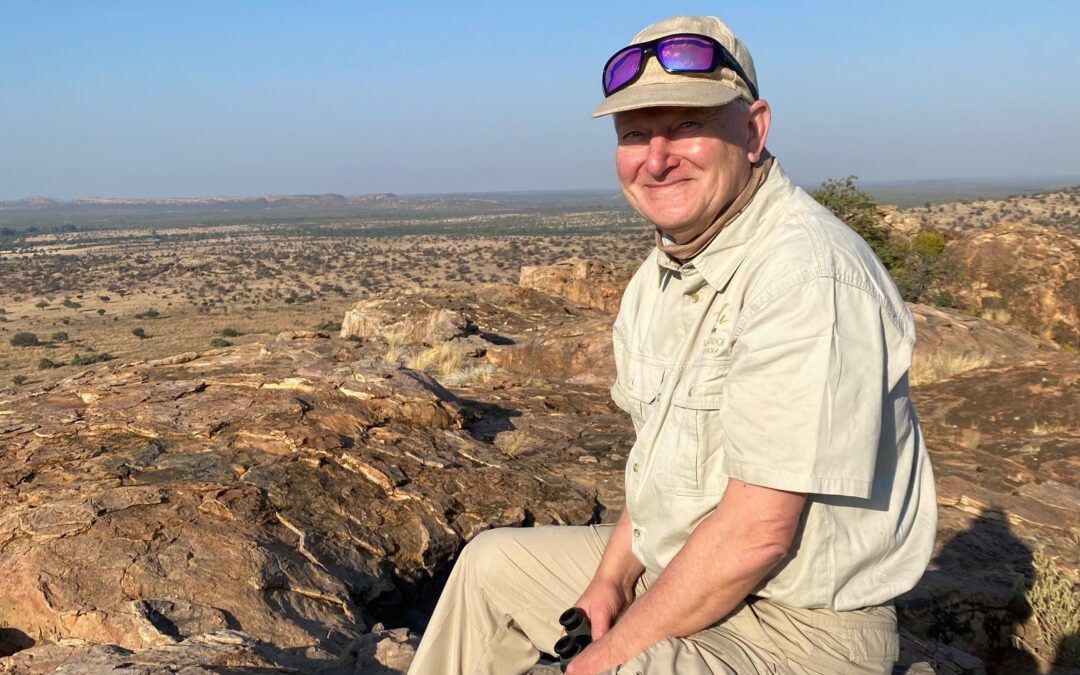
Stephen Lansdown, owner, Mashatu Game Reserve
In response to a request for a biography of the new owner a Mashatu representative shared his photo and the following by email: “Mashatu Game Reserve, under the leadership of its devoted owner, Stephen Lansdown, proudly stands as Botswana’s second-largest employer. Guided by a visionary commitment, Stephen envisions safeguarding the Reserve for the prosperity of local communities and the preservation of its wildlife, ensuring a legacy that will endure for generations. He strives to achieve this noble purpose by establishing and maintaining a world-class tourism destination of unparalleled quality.”
According to a May 3-9, 2020 article in Botwana’s Sunday Standard at that time Pula Property Holdings, a Guernsey based company controlled by Lansdown, owned a 50 percent stake in Mashatu Investment, which operated the Mashatu Game Reserve. Per the article Mashatu Investment in turn controlled 70 percent of Mashatu Nature Reserve (Pty) Ltd. The remaining 30 percent was held by Botswana Development Corporation, the article states. The Sunday Standard indicated that Lansdown first became involved in Botswana in 2007 as a shareholder of Tuli Safari Lodge.
*Under normal circumstances our articles are based exclusively on the experiences and photography of our contributors at a destination and voyage. Due to the Covid-19 pandemic we halted travel. For those ready to travel now we are offering limited updates about destinations, properties and restaurants we featured in the past and whose representatives have responded to our questions and requests for updates. This series of updates began in 2021.
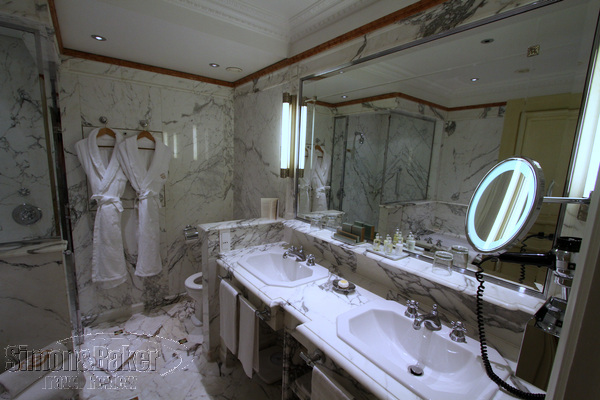
by Editor | Mar 29, 2023 | Accomodations
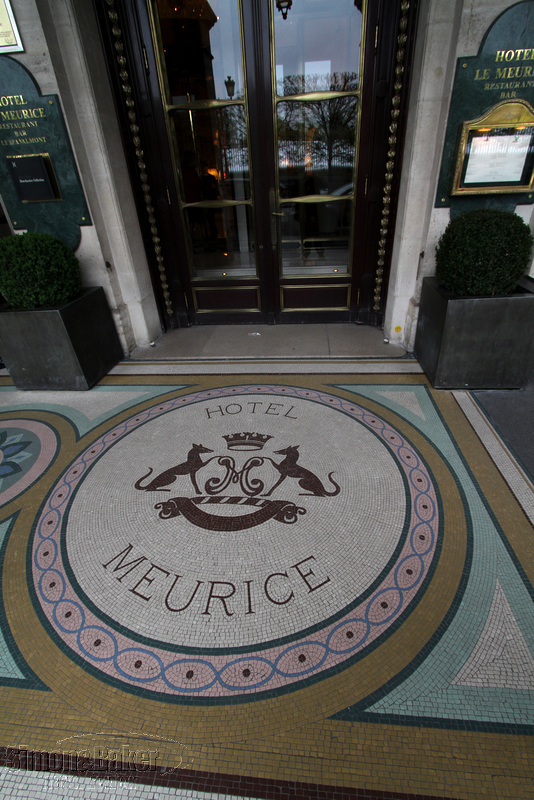
The hotel entrance on the busy rue de Rivoli
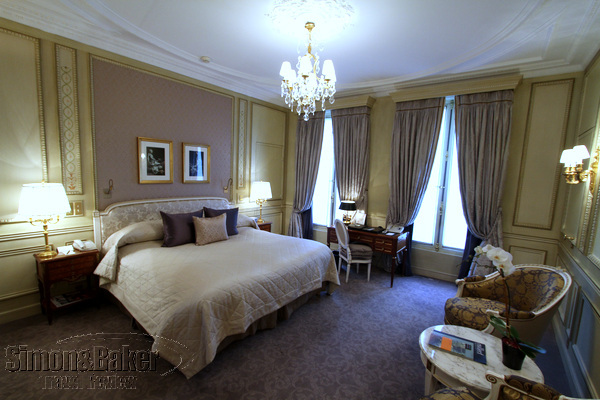
Room 317, our team’s 40 square meter Deluxe Room on the fourth floor
In 2011* we profiled the Hotel Le Meurice in Paris, France and its eponymous restaurant following a brief team stay at the luxury property. From the restaurant profile that year: “Our Terroir Menu with wine pairing was centered on ingredients produced in Paris and its environs. The setting was beautiful, the meal was pleasant and the service was outstanding.” At the time the hotel, owned by Bruneï Investment Agency, was child and pet friendly. A representative has shared the property’s updated policies regarding both. Watermarked photos were taken by our team during their 2011 stay at the five-star property. Other photos were provided by a hotel representative.
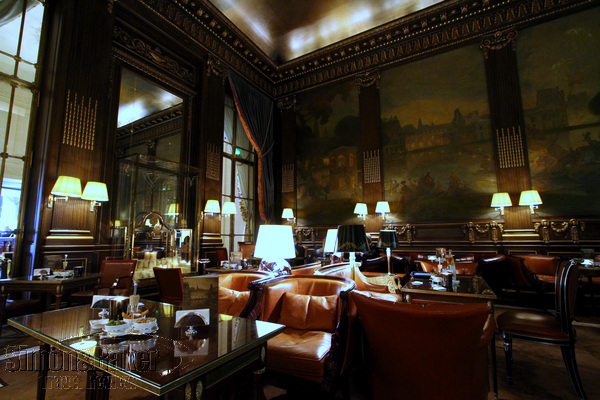
The popular Le Bar 228
Recently Solene Duchez, communications and press relations assistant, Le Meurice, responded to our questions. Below are our questions and her answers (edited for brevity and clarity).
LTR: Are you welcoming international travelers?
SD: Yes
LTR: A number of travel business across the globe shut down or reduced their offerings post pandemic. What can you share regarding the Hotel le Meurice Paris in 2023?
SD: There is no longer any impact of the pandemic on the hotel and restaurant occupancy.
LTR: What, if any, policies and safeguards do you have in response to Covid-19?
SD: As there is no longer any impact, we do not apply the policies and safeguards anymore. However, hydraulic gel distributors are still available in all the hotel areas and the cleaning process is still reinforced.
LTR: Are guests checking in and dining at the restaurant required to show proof of vaccination, negative Covid-19 tests, wear a mask or take any other measures?
SD: No
LTR: Any updates to your menu, restaurant and services you care to share.
SD: (Regarding) children: Upon request, the concierges are available to help keep your children occupied during your stay.
Class of Accomodation (accommodation): Five Star Hotel & Palace label
Concierge: Jean Mora
Connectivity: High speed connection included
Pets Allowed: We’re pleased to welcome up to two small dogs per guest (max 7kg/15lbs) with an extra fee. Your special guests will even be spoiled with a dog bed, bowl and treats throughout their stay.
We do ask that they remain in your room while you visit Bar 228, Restaurant le Meurice Alain Ducasse and the spa, or kept in a carrier at Restaurant Le Dalí. Please also keep them on a leash or in a carrier when moving around the hotel. Our concierge team can arrange a pet-sitter if you need one – just give us 24 hours’ notice.
Of course, service dogs are welcome throughout the hotel.
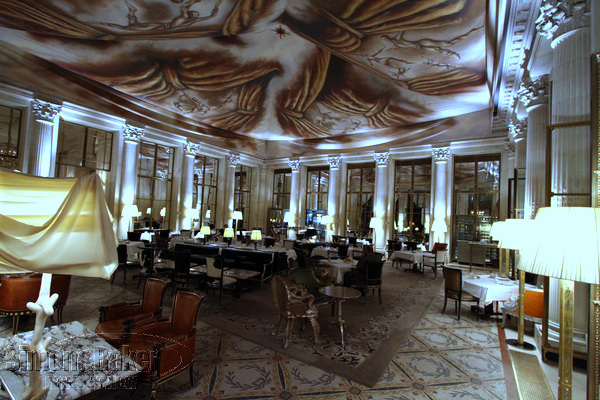
The ground floor
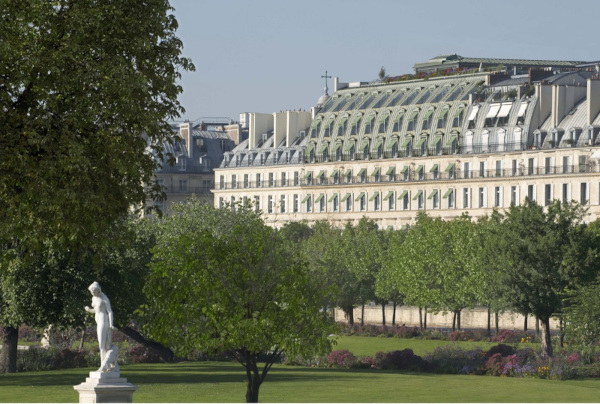
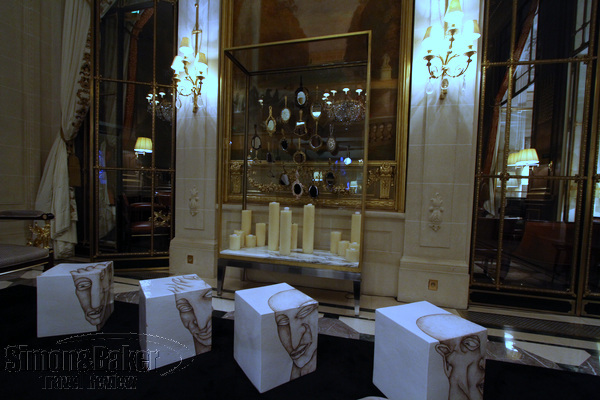
Renovated: The hotel opened its door in 1835. The most recent renovations of the lobby, bar and restaurants were completed in 2016. Philippe Starck was brought in to assist with the renovations at that time. Since 2019, the renovation of the rooms and suites has been signed by the hands of the trio formed by Charles Jouffre, Margaux Lally and Luc Berger. The new spaces, more luminous and refined, stay loyal to the classic 18th century style for the greatest pleasure of our future guests looking for a genuine experience à la française.
Fitness Center and Spa: Since 2020, La Maison Valmont has also opened its Paris flagship store at Le Meurice.
*Under normal circumstances our articles are based exclusively on the experiences and photography of our contributors at a destination and voyage. Due to the Covid-19 pandemic we have halted travel. For those ready to travel now we are offering limited updates about destinations, properties and restaurants we featured in the past and whose representatives have responded to our questions and requests for updates. This series of updates began in 2021.
by Editor | Jan 4, 2023 | Accomodations, Attractions, Ecotourism, Food and Wine, Luxury Travel, Restaurants
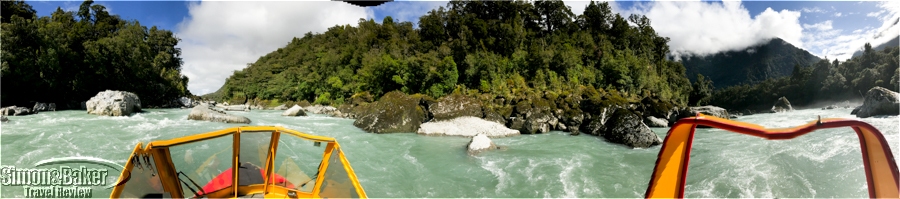
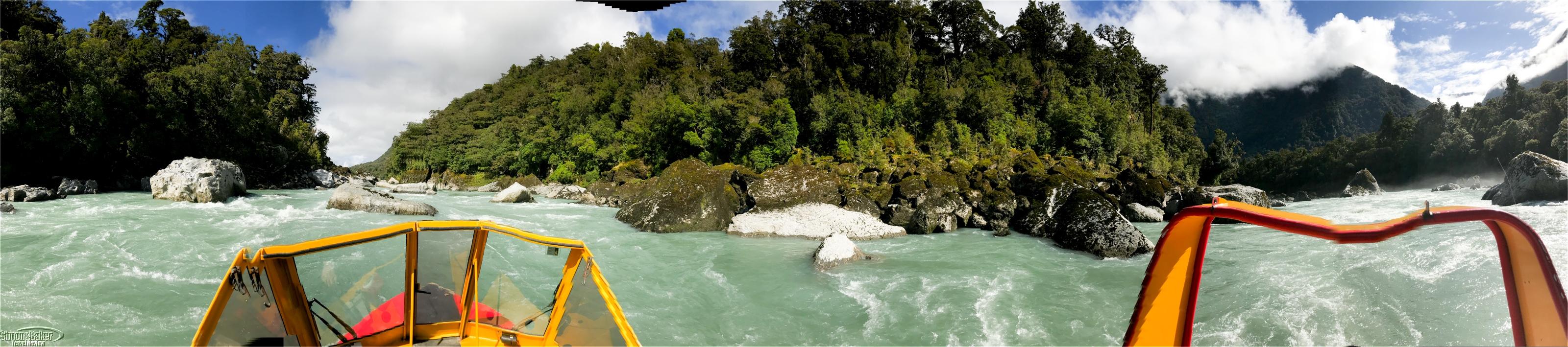
*Wayne’s Waiatoto River Safari, a private river outing
Under normal circumstances our articles are based exclusively on the experiences and photography of our contributors at a destination and voyage. Due to the Covid-19 pandemic we have halted travel. For those ready to travel now we are offering limited updates about destinations, properties and tours we featured in the past and whose representatives have responded to our questions and requests for updates. This series of updates began in 2021.
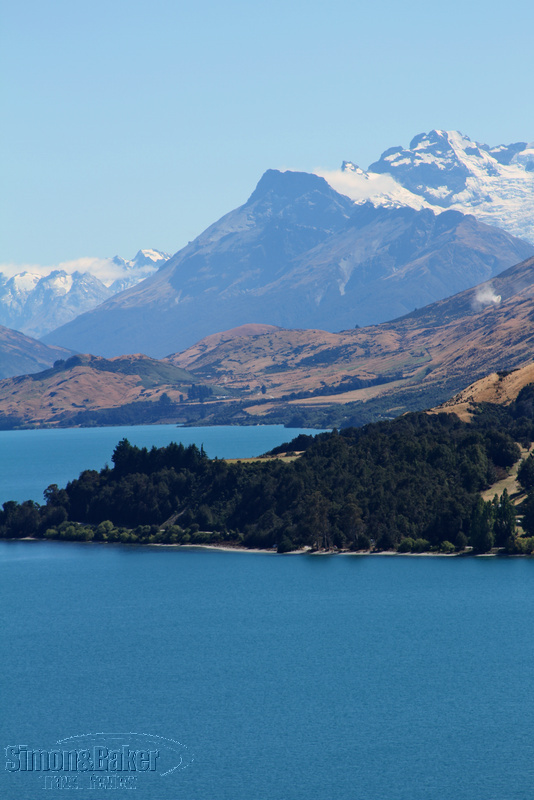
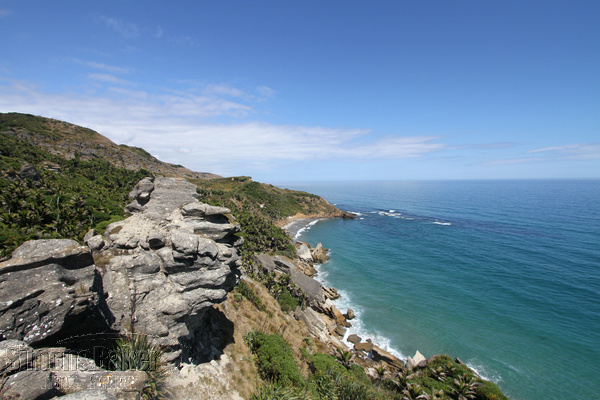
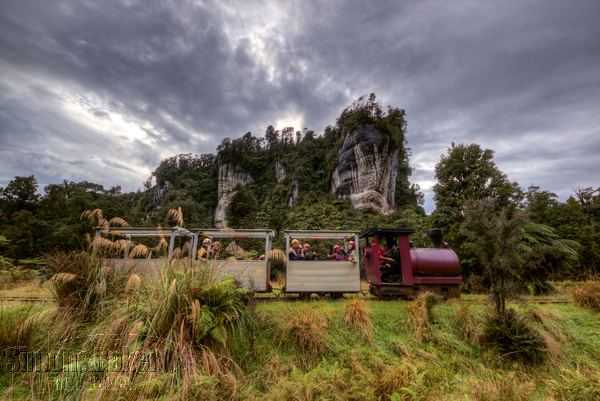
In 2019, following a trip to New Zealand and private tour, we profiled Aroha New Zealand Tours Intrepid, South Island. Three of the properties in that itinerary have failed to reply to our emails, two others have closed and one of the attractions is no longer in business. Lakestone Lodge and Cabot Lodge shared updates and responded to questions, see Update: NZ lodge near Fiordland National Park and Update: NZ lodge welcoming international guests.
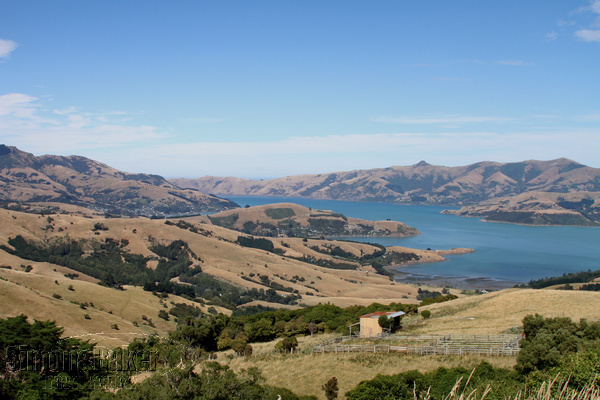
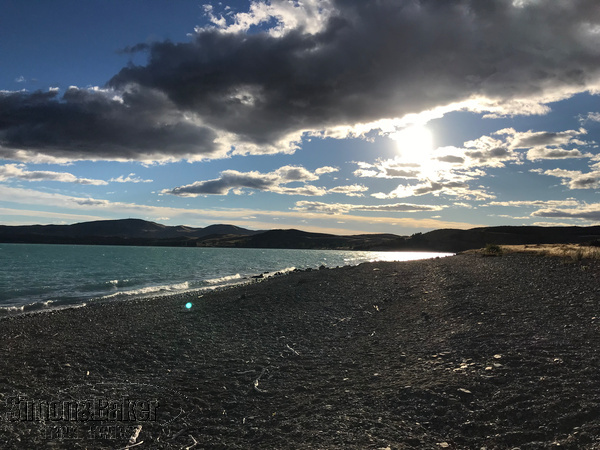
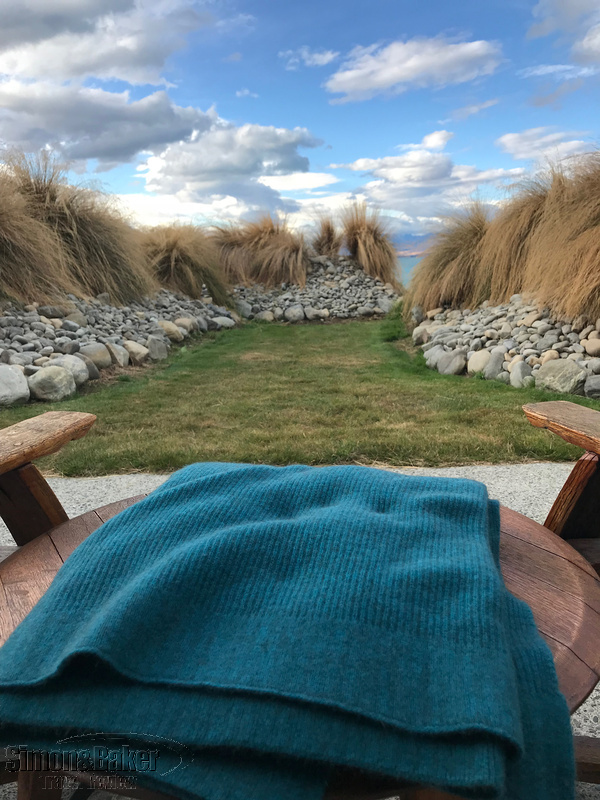
We recently contacted Veronika Vermeulen, director, Aroha New Zealand Tours Ltd. to ask about the bespoke luxury tour company and current travel conditions in New Zealand. Below are our questions and her answers.
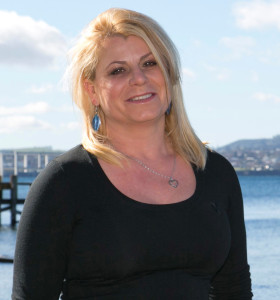
Veronika Vermeulen, director, Aroha New Zealand Tours Ltd.
LTR: Are you welcoming international travelers?
VV: Yes we are open to all travellers. Tours started back with neighbouring countries in July, and September in general.
LTR: A number of travel business across the globe have shut down post pandemic. Some travelers have been stranded as a result. What is the situation in this regard in New Zealand and with your company?
VV: Everybody was able to leave New Zealand with the help of our company and our government in the following month after the borders were closed. However, some people decided to stay for a month (some have yet to leave) to sit out the world crisis in New Zealand.
LTR: What, if any, policies and safeguards do you have in response to Covid-19?
VV: We have applied government Covid regulation and still provide today a Covid-19 Safety Plan. We are committed to keeping you safe.
On the other hand we are not taking long pre pays and only request a small down payment, to cover our original service cost. Main payment is only required 40 days before arrival (conditions apply with some premium luxury stays).
LTR: Is there flooding, a water shortage/drought or other condition(s) affecting facilities, guests amenities, safe and comfortable travel in New Zealand?
VV: No, none of this is affecting New Zealand for now.
LTR: Are there any updates to your services and tours you care to share. Do you offer private accommodations like rental homes or small lodges for extended stays (a week or longer) and for guest that want a private or isolated stay?
VV: We decided to stay even more unique and boutique with a concentration on customer services rather than the high turnover. We can offer private stays (boutique properties) for privacy and extended stays. However, we still concentrate on private guided tours as our primary sector.
LTR: Would you share details of any extended stay packages such as weekly or monthly rates.
VV: We 100 percent customised and have no standard rates!
See example pricing attached for 2 people.
LTR: New Zealand news of youth gangs, future earthquake risks and other severe weather events have been in the news this year. Would you comment on the likelihood that a visitor might be affected by one or more of those issues?
VV: No gangs are effecting any traveller!
Earthquakes are likely but no danger. Common we are called the shaky ales!
Floods like most other countries around the world.
LTR: Are Amisfield Bistro & Cellar Door, Wayne’s Waiatoto River Safari, Tasman Helicopter, Underworld Rafting all operating normally?
VV: Yes all these are running normal again
*Photos were taken during a pre-pandemic trip, except for the photo of Veronika Vermeulen provided by Aroha New Zealand Tours Ltd.
by Editor | Oct 4, 2022 | Accomodations, Ecotourism
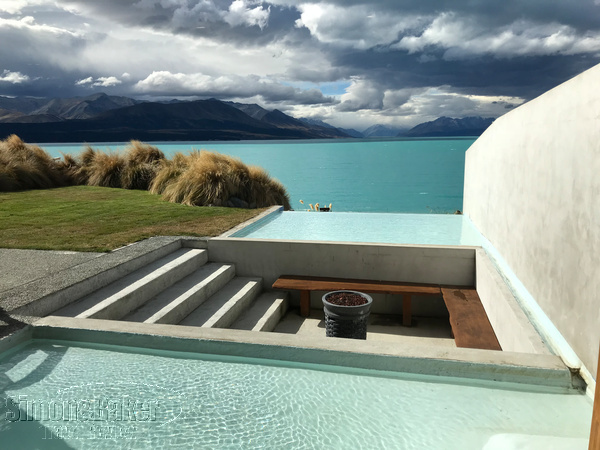
*Lake and mountains seen from the common areas of Lakestone Lodge in New Zealand
Under normal circumstances our articles are based exclusively on the experiences and photography of our contributors at a destination and voyage. Due to the Covid-19 pandemic we have halted travel. For those ready to travel now we are offering limited updates about destinations, properties and services featured in our pages in the past and whose representatives have responded to our questions and requests for updates. This series of updates began in 2021.
Earlier this year we reached out to the owners of Lakestone Lodge, originally profiled in 2019 following a South Island itinerary, to ask how the property is doing following the pandemic peak. Our contributor especially liked the family owned lodge’s sustainable practices. Also notable were the property’s intimate and serene setting with lake, and when the weather cooperated, mountain views. Below are updates shared by Mike Bacchus, owner, Lakestone Lodge.
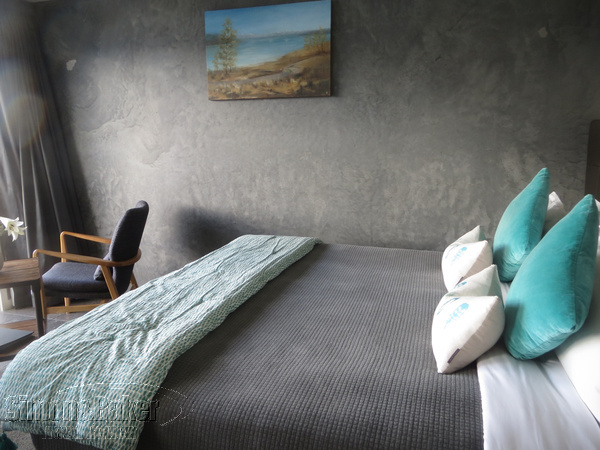
The interior of a guestroom at Lakestone Lodge in the South Island of New Zealand
A view from Sealy, one of the guestrooms
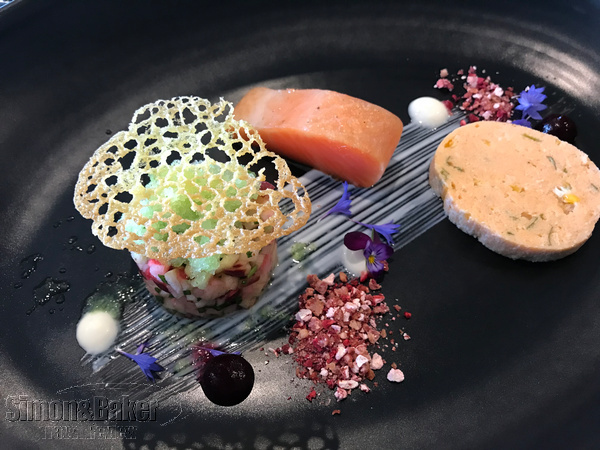
The chef created a daily changing set dinner menu based on local products
Q & A with Mike Bacchus, owner, Lakestone Lodge
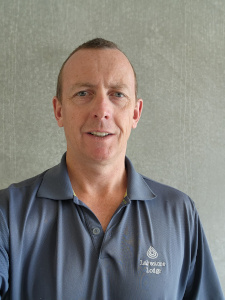
Mike Bacchus, owner, Lakestone Lodge
LTR: Are you welcoming international guests?
MB: We are certainly welcoming international guests even though we have been well supported by domestic travellers over the past few years.
LTR: What, if any, policies and safeguards do you have in response to Covid-19?
MB: Lakestone Lodge is Qualmark Covid Clean certified
LTR: Do you clean common areas, guestrooms daily?
MB: All common areas are sterilised twice daily
LTR: Is there flooding, a water shortage/drought or other condition(s) affecting facilities, guests amenities, etc?
MB: No natural disasters affecting business
LTR: Any updates to the property you care to share such as redecoration, refurbishment especially any luxury amenities, improvements
MB: We have built a Night Sky Arena so guests coming to the largest international Dark Sky Reserve can relax in zero gravity recliners with woollen [woolen] blankets, a mulled wine and have the wonders of the sky pointed out to them
LTR: Do you offer private accommodations for those guest that want a private or isolated stay?
MB: We do offer full lodge (6 guest rooms) for exclusive use
LTR: Details of any extended stay packages such as weekly or monthly rates.
MB: We offer a pay 4, get the 5th night free for exclusive use bookings
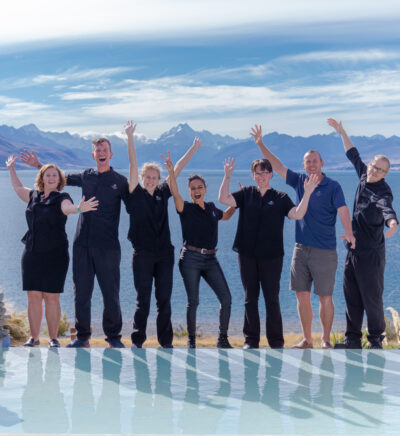
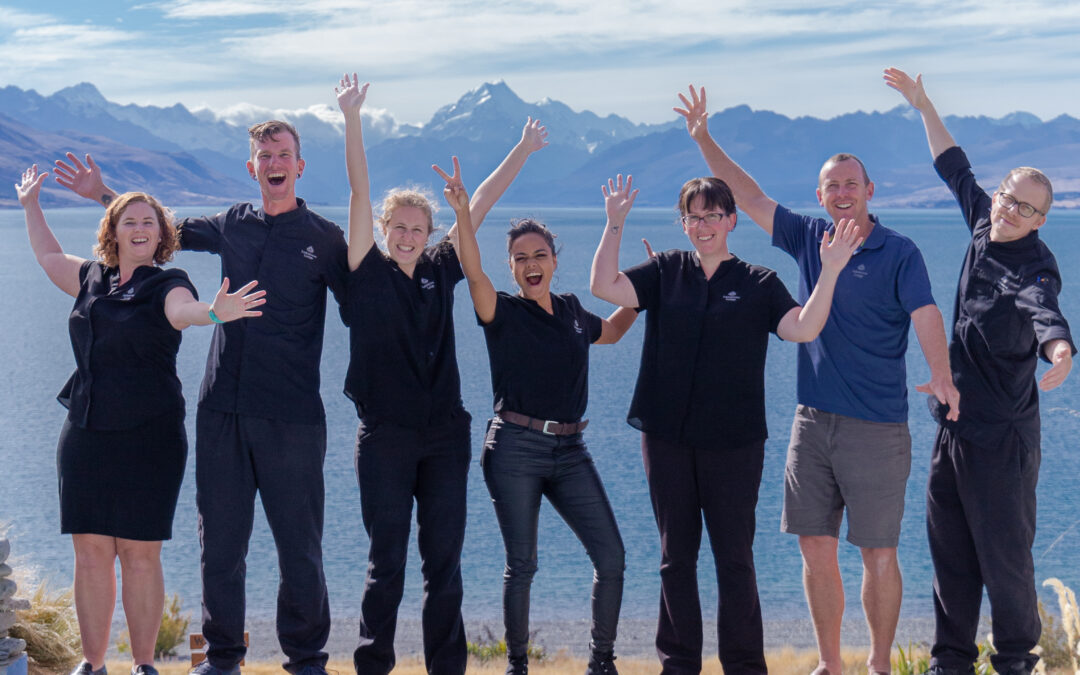
From autumn 2021: Anna Bacchus (owner), Leon (sous chef), Kim, Issy, Kelsey (lodge attendants), Mike Bacchus (owner) and Steffen (head chef)
*Photos were taken during a pre-pandemic trip, except for the photos of Mike Bacchus and the Lakestone Lodge staff provided by Lakestone Lodge in 2022.
by Editor | Jul 11, 2022 | Accomodations, Ecotourism, Luxury Travel
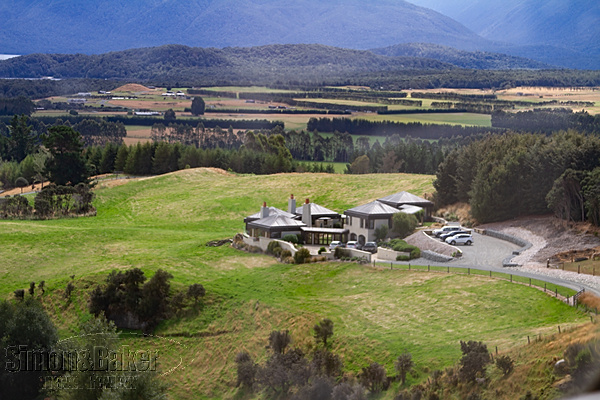
*The two story property had four guestrooms, including a two-bedroom suite.
Under normal circumstances our articles are based exclusively on the experiences and photography of our contributors at a destination and voyage. Due to the Covid-19 pandemic we have halted travel. For those ready to travel now we are offering limited updates about destinations, properties and services featured in our pages in the past and whose representatives have responded to our questions and requests for updates. This series of updates began in 2021. We paused during the omicron surge and published our first 2022 update in May.
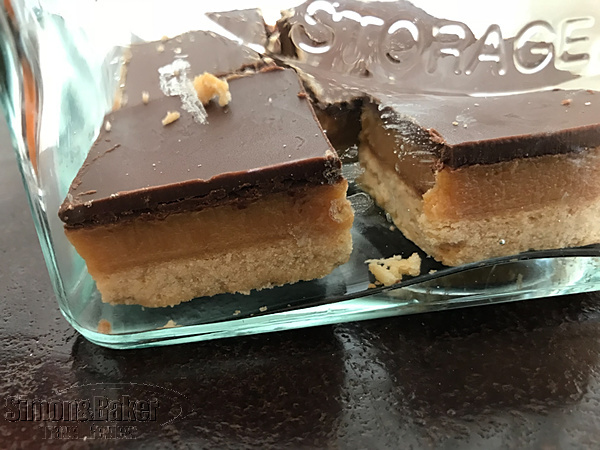
As New Zealand recently reopened its international borders for vaccinated travelers (see covid19.govt.nz/) we thought the following update of Cabot Lodge, a South Island family owned property we profiled in 2019 (prior to the pandemic) would interest some of our readers. The family owned lodge near the Fiordland National Park (see Fiordland, New Zealand by helicopter) was one of our contributor’s favorite properties on that trip thanks to the owners’ warm welcome and professional attitude, comfortable room, local sourcing and earth friendly policies, and many amenities, including an ample supply of delicious homemade toffee. Below are updates recently provided by Breidi Alexander, owner operator, Cabot Lodge, who responded to our questions via email.
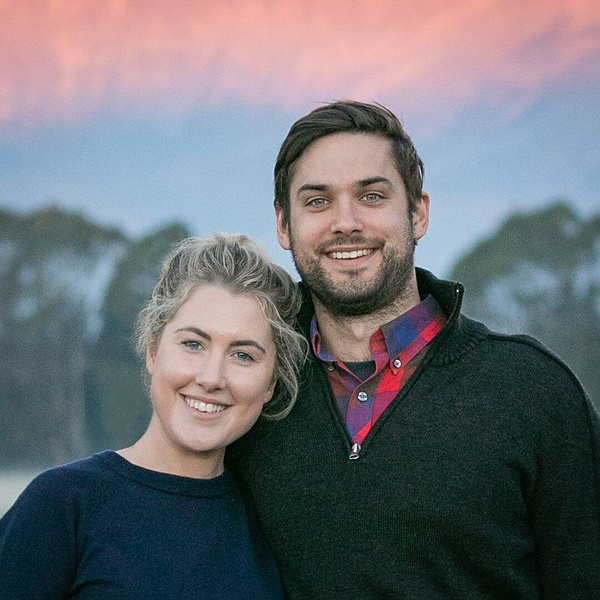
Breidi and Brad Alexander, owners, Cabot Lodge
LTR: Are you are welcoming international guests?
BA: Yes – with New Zealand’s borders now open, we are thrilled to be welcoming back our wonderful guests from around the world.
LTR: Have you adopted policies and safeguards in response to Covid-19?
BA: Yes, we are Covid-Clean Certified by Qualmark NZ, implementing extensive cleaning and health and safety procedures for Covid-19.
LTR: Do you clean common areas, guestrooms daily?
BA: All common areas are cleaned three times daily. All guest rooms are serviced once daily, with an additional evening turndown service if requested.
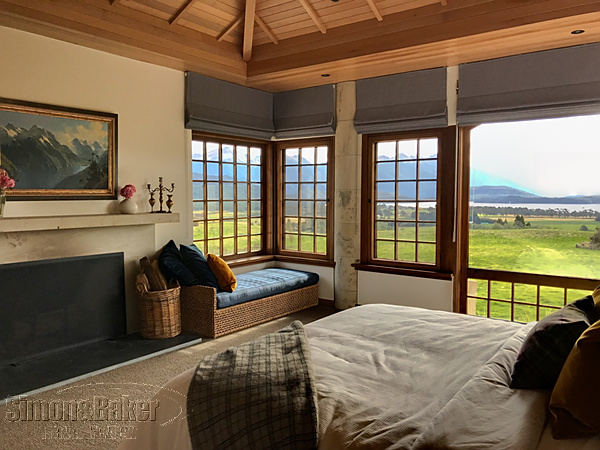
Pomona Deluxe Suite, a 41 square meter room
LTR: Is there a water shortage ordrought or other conditions affecting facilities, guests amenities, etc?
BA: No – thankfully water shortage is not an issue for us, with two rivers crossing through our property, and the Lodge sitting on the boundary of Lake Manapouri and the stunning Waiau River. We are operating business as usual.
LTR: Are there updates to the property you care to share such as redecoration, refurbishment?
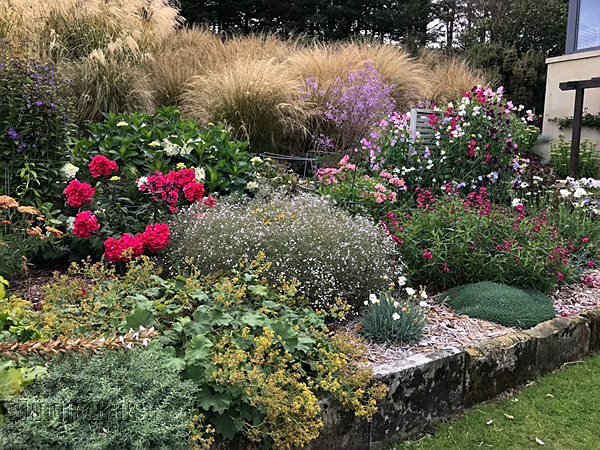
BA: We are delighted with the addition of our outdoor spa pool nestled among our Beech Trees above the Lodge, with stunning views over the mountains and Lake Manapouri. We now also provide fishing rods for guest use at our private fishing jetty on the Waiau River, which boundaries the Fiordland National Park. We have increased our staff to a team of five, with a new chef preparing our farm to plate cuisine. With the extension of our glass houses, even more of our ingredients are sourced directly from the farm. Our locally sourced ingredients don’t stop with our meals however – we are also providing homemade soaps and bath salts in each of our guest suites. With Fiordland’s move to become a Dark Sky Sanctuary, we have also overhauled our exterior lighting and undertaken an astronomy course, to ensure we are a Dark Sky Friendly Lodge, perfect for star-gazing enthusiasts. We received a number of accolades for the property recently, including two Trip Advisor Travellers Choice Awards, a Qualmark 5 Star Gold Certification for Boutique Luxury Accommodation, we were named as the top luxury escape by Stuff.co.nz, and we appeared on national television in season two of ‘Lap of Luxury’, a show celebrating the top Lodges across New Zealand and Australia.
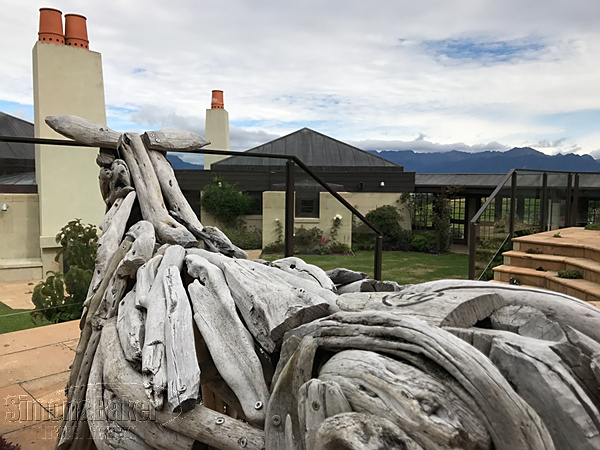
There were two patios facing Lake Manapouri and a central courtyard.
LTR: Do you offer private accommodations for those guest that want a private or isolated stay?
BA: The Lodge can be booked exclusively, with rates for 1 – 4 guests, or 5 – 10 guests, perfect for couples who want to travel with the safety of complete seclusion. We are more thankful than ever to be operating a remote and small boutique lodge post-pandemic. Surrounded by a working sheep, deer and cattle station on the boundary of the World Heritage Fiordland National Park, Cabot Lodge is a private and luxury escape.
LTR: If you offer extended stay packages such as weekly or monthly rates provide details.
BA: We provide discounted rates for stays four nights or over, please get in touch with our team for rates and further information.
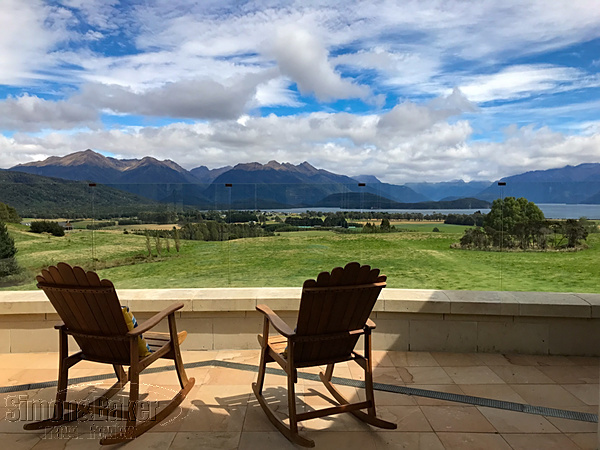
Cabot Lodge borders the Fiordland National Park
*Photos were taken during pre-pandemic trip, except for the photo of Breidi and Brad Alexander provided by Cabot Lodge in 2022
by Editor | May 19, 2022 | Accomodations, Ecotourism, Safari/Game viewing
Photos* taken during pre-pandemic trip
Under normal circumstances our articles are based exclusively on the experiences and photography of our contributors at a destination and voyage. Due to the Covid-19 pandemic we have halted all travel. For those ready to travel now we are offering limited updates about destinations, properties and services featured in our pages in the past and whose representatives have responded to our questions and requests for updates. This series of updates began in 2021. We paused during the omicron surge and recently published our first 2022 update (see South Africa luxury safari property update).
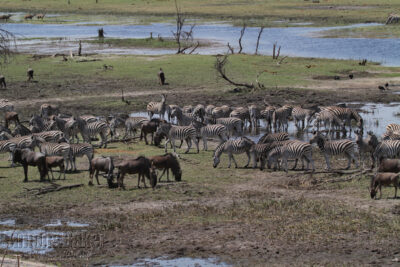
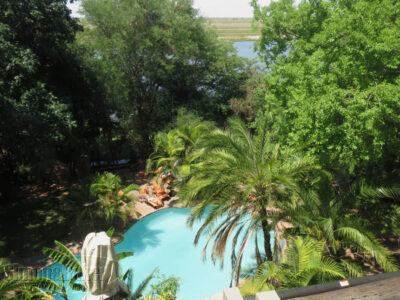
Photos* taken during pre-pandemic trip
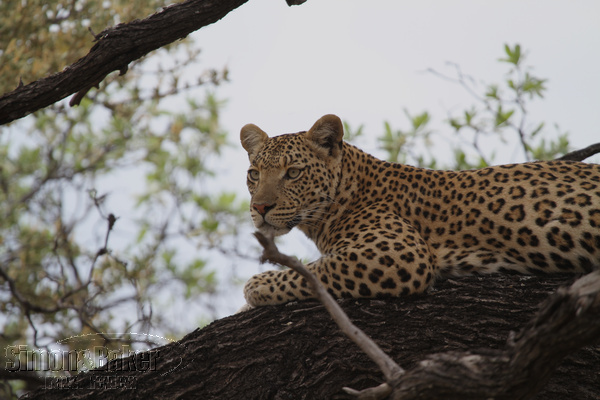
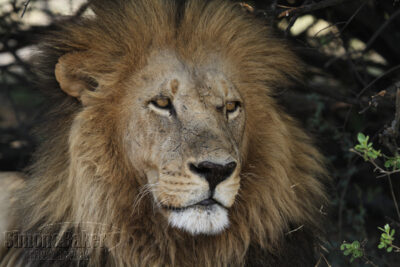
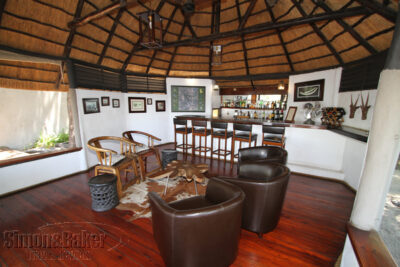
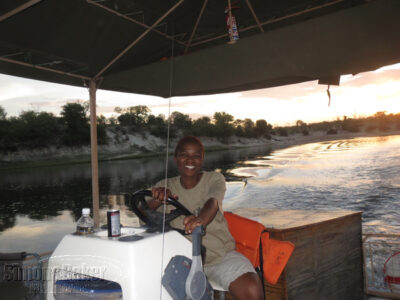
In November 2015 our contributors stayed at several Desert & Delta-Safaris properties, five in Botswana and one in Namibia. On their return home we published their impressions and photos. Follow the links to read their overall trip impressions in Why we liked Botswana, Namibia safari circuit as well as their thoughts about Camp Moremi in Luxury Travel Review. Find detailed profiles in Simon and Baker Travel Review of Savute Safari Lodge, Xugana Island Lodge, Leroo La Tau, Chobe Savanna Lodge and Chobe Game Lodge. Below are updates provided by James Wilson, marketing director of the property last month.
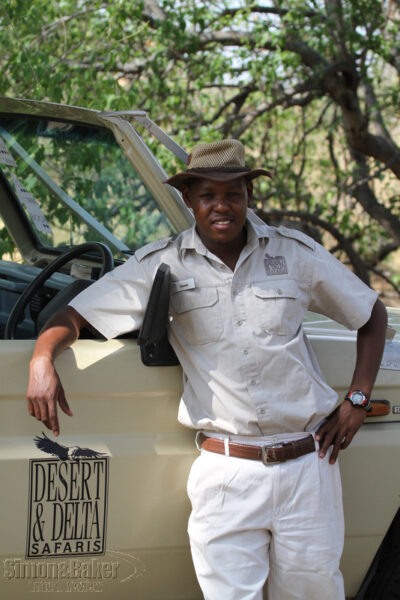
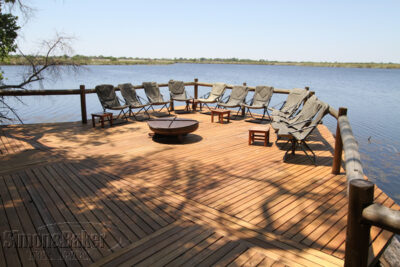
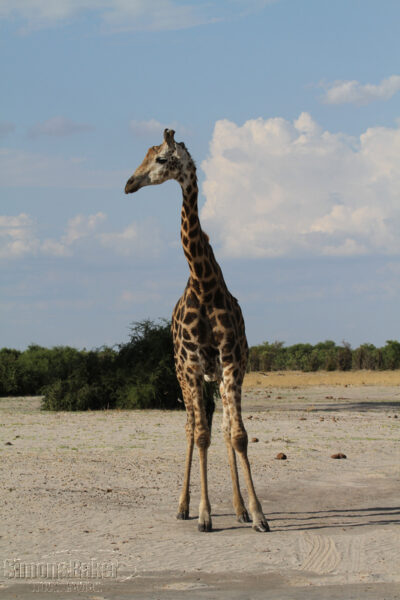
Photos* taken during pre-pandemic trip
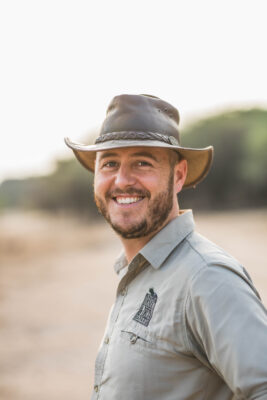
James Wilson, marketing director, Desert & Delta-Safaris
LTR: Are you are welcoming international guests?
JW: Yes – most certainly
LTR: What policies and safeguards have you adopted in response to Covid-19?
JW: Please see attached documents for information and the following link: Desert & Delta-Safaris COVID-19 Health & Safety Info (readers can find contact information for Desert & Delta-Safaris in the property profiles to request the document)
LTR: Maximum number of guests per game viewing vehicle
JW: 6 per vehicle unless a family group who wish to be together.
LTR: Do you clean common areas, guestrooms daily?
JW: yes. We have strict sanitation and cleaning schedules in place.
LTR: Is there a water shortage/drought or other conditions with the high probability to affect facilities, guests amenities, guest stay, etc?
JW: No.
LTR: Any updates to the property you care to share such as redecoration, refurbishment
JW:
LTR: Do you offer private accommodations for those guest that want a private or isolated stay?
JW: Depending on the guests needs we can offer private dining and private activities during their stay. Private activities are at an additional charge. Enquiries can be made into Xugana Island Lodge and Chobe Savannah Lodge for an exclusive island stay.
LTR: If you offer extended stay packages such as weekly or monthly rates provide details.
JW:
*Except for the photo of James Wilson provided by Desert & Delta-Safaris in 2022